


 Apr 25, 2026
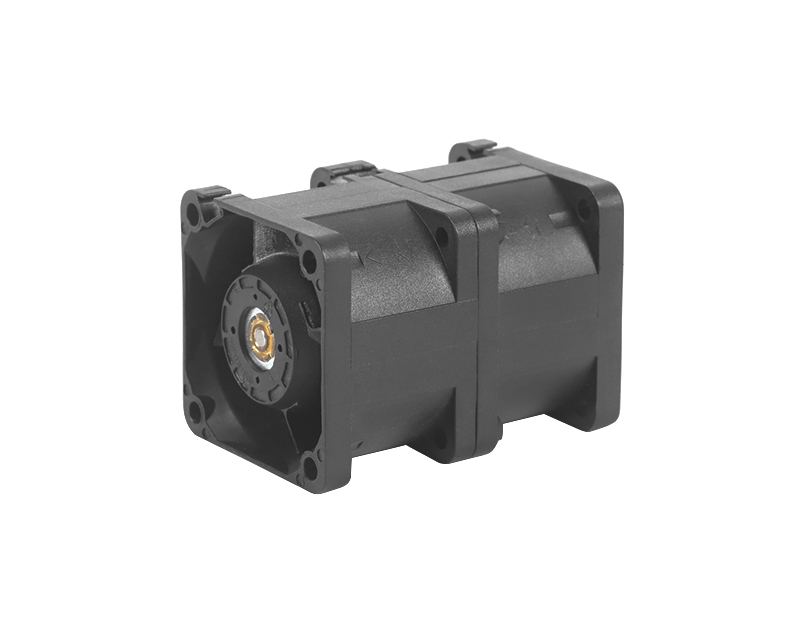
In the rapidly evolving automotive industry, where comfort, energy efficiency, and space optimization have become core demands of consumers and manufacturers alike, the DC triangle fan for automotive interior ventilation has emerged as a revolutionary component that redefines in-cabin air circulation. Unlike traditional rectangular or circular fans, the triangular design of this fan is not merely an aesthetic choice but a strategic engineering solution tailored to the unique spatial constraints and functional requirements of modern automotive interiors. As vehicles become more compact, especially with the rise of electric vehicles (EVs) that prioritize interior space utilization and battery efficiency, the DC triangle fan stands out for its ability to fit into narrow, irregular gaps while delivering superior ventilation performance, making it an indispensable part of modern automotive climate control systems.
The core value of the DC triangle fan for automotive interior ventilation lies in its perfect integration of form and function. Automobile interiors are characterized by limited space, with complex layouts that include dashboards, door panels, center consoles, and seat gaps—areas where traditional fans struggle to fit without compromising interior design or occupant comfort. The triangular shape allows the fan to be installed in corners, along edges, or in irregularly shaped spaces that would otherwise be unused, maximizing the use of available space while maintaining a sleek, unobtrusive appearance. This design flexibility is particularly critical for electric vehicles, where every inch of space is valuable for battery storage, passenger comfort, and overall vehicle design. Whether mounted in the dashboard corners, door panels, or under the seats, the DC triangle fan seamlessly blends into the interior, avoiding the bulkiness of traditional fans and preserving the vehicle’s aesthetic integrity.
Beyond its space-saving design, the DC triangle fan offers exceptional ventilation performance that directly enhances in-cabin comfort. Automotive interiors, especially during hot summer months or long drives, can quickly become stuffy, with stagnant air leading to discomfort, fatigue, and even reduced concentration for drivers. The DC triangle fan addresses this issue by generating a steady, directional airflow that circulates fresh air throughout the cabin, eliminating hotspots and ensuring uniform temperature distribution. Unlike AC fans, which often consume more power and produce louder noise, DC triangle fans operate on direct current, which is inherently more efficient and quieter—critical factors for automotive applications where battery life and passenger comfort are paramount. Most models are equipped with brushless DC (BLDC) motors, which run quieter and have a longer lifespan, often exceeding 50,000 hours of operation, making them ideal for long-term use in vehicles.
Energy efficiency is another key advantage of the DC triangle fan for automotive interior ventilation. Modern vehicles, particularly electric and hybrid models, rely heavily on battery power, and every component’s power consumption directly impacts the vehicle’s range and performance. DC fans consume up to 70% less power than AC models, making them ideal for long drives or off-grid use without draining the vehicle’s battery excessively. The fan’s low power consumption is further enhanced by its adjustable speed settings, which allow drivers and passengers to customize the airflow according to their needs—whether a gentle breeze for background circulation or a stronger flow for rapid cooling. This adjustability not only improves comfort but also optimizes energy usage, ensuring that the fan only consumes power when necessary.
Durability and reliability are essential considerations for automotive components, as they must withstand harsh operating conditions, including extreme temperatures, vibrations, and humidity. The DC triangle fan is engineered to meet the rigorous standards of the automotive industry, with high-quality materials and robust construction that ensure long-term performance. The fan’s housing is typically made of durable, heat-resistant plastics such as ABS or PP, which can withstand the high temperatures inside vehicle cabins (often ranging from -40°C to 85°C) without warping or degradation. The motor is sealed to prevent dust, moisture, and debris from entering, ensuring consistent performance even in dusty or humid environments. Additionally, the triangular design provides structural stability, reducing vibration during operation and minimizing noise—an important factor for passenger comfort.
The application scenarios of the DC triangle fan for automotive interior ventilation are diverse, covering a wide range of vehicle types, including passenger cars, SUVs, trucks, buses, and electric vehicles. In passenger cars, the fan can be installed in the dashboard to circulate air around the driver and front passenger, or in the rear seat area to ensure rear passengers receive adequate airflow. In SUVs and trucks, which often have larger cabins, multiple DC triangle fans can be installed to ensure uniform ventilation throughout the space. For electric vehicles, the fan’s low power consumption is particularly beneficial, as it helps extend the vehicle’s battery range while maintaining in-cabin comfort. Additionally, the fan can be integrated into aftermarket seat coolers, dashboard-mounted circulators, and overhead console units, further expanding its utility.
Another notable feature of the DC triangle fan for automotive interior ventilation is its compatibility with modern automotive electronics and smart systems. Many models come equipped with PWM (Pulse Width Modulation) control, which allows for precise speed adjustment and integration with the vehicle’s central control system. This means that the fan can be controlled remotely via the vehicle’s infotainment system, smartphone app, or voice commands, providing convenience for drivers and passengers. Some advanced models also include temperature sensors that automatically adjust the fan speed based on the cabin temperature, ensuring optimal comfort without manual intervention. This integration with smart systems aligns with the trend of intelligent automotive design, enhancing the overall user experience.
In terms of environmental sustainability, the DC triangle fan contributes to the automotive industry’s efforts to reduce carbon emissions and improve energy efficiency. By consuming less power than traditional AC fans, the fan helps reduce the vehicle’s overall energy consumption, which in turn reduces greenhouse gas emissions—especially in electric vehicles, where power is sourced from renewable energy sources. Additionally, the fan’s durable construction and long lifespan reduce the need for frequent replacements, minimizing waste and promoting a more sustainable approach to automotive component design.
To meet the diverse needs of automotive manufacturers, the DC triangle fan for interior ventilation is available in a range of specifications, including different sizes, airflow rates, and voltage options (typically 12V or 24V, which are standard in automotive electrical systems). Manufacturers can also customize the fan’s design, color, and mounting options to match the vehicle’s interior design and specific requirements. Whether it’s a compact fan for a small electric car or a larger model for a commercial bus, the DC triangle fan can be tailored to fit any application, making it a versatile and flexible solution for automotive interior ventilation.
In conclusion, the DC triangle fan for automotive interior ventilation is a game-changing component that combines space-saving design, energy efficiency, quiet operation, and durability to meet the evolving needs of the automotive industry. Its triangular shape addresses the spatial constraints of modern vehicle interiors, while its DC motor technology ensures low power consumption and long lifespan. As the automotive industry continues to prioritize comfort, efficiency, and sustainability, the DC triangle fan is poised to become a standard feature in vehicles of all types, enhancing the in-cabin experience for drivers and passengers while supporting the industry’s transition to more sustainable transportation solutions.
If you have any suggestions and comments on our products and services, please fill in the following table

Dashuitian Industrial Zone B, Niuhu Community, Guanlan Street, Longhua New District, Shenzhen
Copyright 2026 © Shenzhen Yuchuang Industry Co., Ltd. 粤ICP备16089648号




 Chinese
 CN
CN Home >