


 Dec 27, 2025
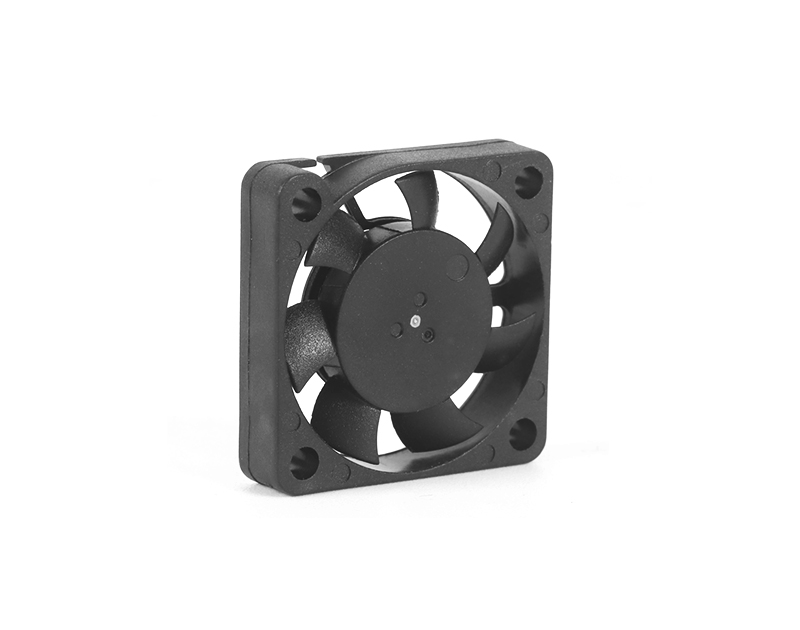
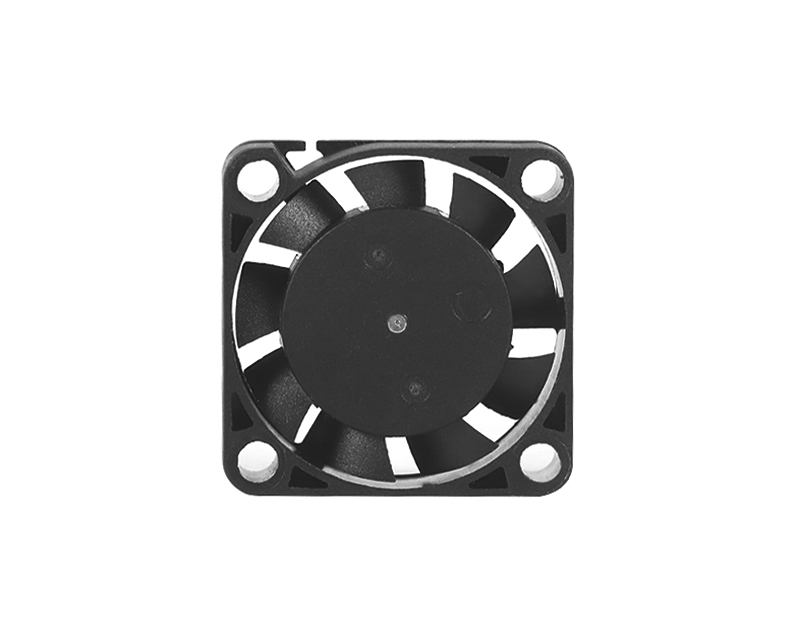
The 24V 4010 blower fan is a compact, efficient, and versatile air-moving device that has become indispensable in a wide range of industrial, consumer, and automotive applications. Its name derives from two key specifications: the "4010" denotes a 40mm x 40mm x 10mm form factor, while "24V" indicates its nominal operating voltage. Despite its small size, this blower fan delivers focused airflow with high static pressure, making it ideal for scenarios where targeted cooling or ventilation is required. In this comprehensive guide, we will delve into the design principles, technical characteristics, performance metrics, application areas, and maintenance considerations of the 24V 4010 blower fan, shedding light on why it has become a preferred choice for engineers and designers worldwide.
Design Principles: Compact Size with Optimized Airflow
The design of the 24V 4010 blower fan is a testament to the balance between size, efficiency, and performance. Unlike traditional axial fans that move air in a straight line parallel to the fan axis, blower fans (also known as centrifugal fans) utilize a centrifugal force mechanism to direct airflow perpendicular to the intake. This fundamental design difference gives the 4010 blower fan two key advantages: high static pressure and focused airflow. These traits are particularly valuable in applications where air must be pushed through narrow channels, heat sinks with dense fins, or enclosed spaces where airflow resistance is high.
At the core of the 24V 4010 blower fan is its impeller, typically constructed from high-grade plastic (such as PBT or ABS) reinforced with glass fibers for durability and heat resistance. The impeller features curved blades that are engineered to maximize air capture and velocity. When the impeller rotates, it draws air into the center of the fan (the intake) and accelerates it outward using centrifugal force. The air then exits through a directional outlet, which can be positioned to direct airflow precisely where it is needed. This design minimizes air recirculation, a common issue with axial fans in confined spaces, ensuring that more of the airflow contributes to effective cooling or ventilation.
The motor of the 24V 4010 blower fan is a brushless DC (BLDC) motor, which offers significant advantages over brushed motors, including higher efficiency, longer lifespan, lower noise, and reduced maintenance. BLDC motors use electronic commutation instead of mechanical brushes, eliminating friction and wear associated with brush contact. The motor is designed to operate efficiently at 24V, a voltage commonly used in industrial control systems, automotive electronics, and renewable energy setups, making the fan compatible with existing power infrastructures without the need for additional voltage converters.
Another critical design element is the fan housing, which is integrated with the impeller and motor to form a compact unit. The housing is designed to optimize airflow dynamics, reducing turbulence and pressure losses as air moves through the fan. Many 4010 blower fans also feature a protective grille over the intake to prevent debris from entering the fan and damaging the impeller or motor. The overall dimensions of 40mm x 40mm x 10mm make the fan suitable for installation in tight spaces, such as inside electronic enclosures, automotive dashboards, or small industrial equipment.
Technical Specifications: Key Metrics That Define Performance
To understand the capabilities of the 24V 4010 blower fan, it is essential to examine its key technical specifications. These metrics not only determine the fan’s performance but also help engineers select the right fan for their specific application. Below are the most critical technical parameters, along with typical ranges for commercial 4010 blower fans:
1. Voltage and Current
The nominal operating voltage of the fan is 24V DC, but most models can operate within a range of 18V to 28V, providing flexibility for applications where power supply voltages may fluctuate. The operating current typically ranges from 0.1A to 0.3A, depending on the fan’s speed and load. The power consumption (calculated as voltage multiplied by current) is therefore between 2.4W and 7.2W, making the fan highly energy-efficient compared to larger cooling solutions.
The BLDC motor’s electronic control system ensures that the fan maintains stable performance even at the edges of its voltage range. Some advanced models also feature voltage regulation technology, which adjusts the motor speed in response to voltage changes to maintain consistent airflow.
2. Airflow and Static Pressure
Airflow, measured in cubic feet per minute (CFM) or cubic meters per hour (m³/h), and static pressure, measured in inches of water gauge (inH₂O) or pascals (Pa), are the two most important performance metrics for any blower fan. The 24V 4010 blower fan typically delivers airflow ranging from 3 CFM to 8 CFM (0.5 m³/h to 1.4 m³/h) and static pressure between 0.5 inH₂O and 2.0 inH₂O (125 Pa to 500 Pa).
The high static pressure of the 4010 blower fan is its defining feature. Unlike axial fans, which struggle with high airflow resistance, the 4010 blower can maintain airflow even when pushing air through dense heat sinks, narrow ducts, or filter media. This makes it ideal for cooling components like power electronics, LED arrays, or CPU coolers in compact devices where space constraints limit heat sink size.
3. Speed and Noise
Fan speed is measured in revolutions per minute (RPM), and typical 24V 4010 blower fans operate at speeds between 3,000 RPM and 6,000 RPM. Higher speeds generally result in greater airflow and static pressure, but they also increase noise levels. Noise is measured in decibels (dB), and most 4010 blower fans produce between 25 dB and 45 dB of noise. This range is considered relatively quiet, especially compared to larger fans or blowers, making the 4010 suitable for applications where noise is a concern, such as medical equipment or consumer electronics.
Manufacturers optimize noise levels through blade design (curved blades reduce turbulence) and motor technology (BLDC motors operate more quietly than brushed motors). Some models also feature rubber dampers or vibration-absorbing mounts to reduce noise transmission to the surrounding equipment.
4. Temperature Range and Durability
The 24V 4010 blower fan is designed to operate in a wide temperature range, typically from -20°C to 70°C (-4°F to 158°F). This makes it suitable for both indoor and outdoor applications, including automotive underhood environments or industrial settings where temperatures may vary significantly. The materials used in the fan (reinforced plastic, copper windings in the motor) are selected for their ability to withstand thermal stress and resist degradation over time.
The lifespan of the 24V 4010 blower fan is another key advantage, with most models offering a rated lifespan of 30,000 to 50,000 hours of continuous operation at 25°C. This translates to over 5 years of continuous use, making the fan a reliable choice for long-term applications such as server cooling or industrial automation systems.
Application Areas: Versatility Across Industries
The compact size, high static pressure, and energy efficiency of the 24V 4010 blower fan make it suitable for a diverse range of applications across industries. Below are some of the most common use cases, highlighting how the fan’s unique characteristics address specific needs:
1. Electronics Cooling
One of the primary applications of the 24V 4010 blower fan is cooling electronic components, such as CPUs, GPUs, power supplies, and LED drivers. In compact devices like mini-PCs, industrial controllers, or LED lighting fixtures, space is limited, and traditional axial fans may not provide sufficient airflow through dense heat sinks. The 4010 blower fan’s high static pressure allows it to push air through narrow gaps between heat sink fins, effectively dissipating heat and preventing component overheating.
For example, in LED grow lights, the 4010 blower fan is used to cool high-power LED chips, which generate significant heat. The fan’s focused airflow ensures that heat is removed from the LED array, maintaining optimal performance and extending the lifespan of the LEDs. Similarly, in industrial PLCs (Programmable Logic Controllers), the fan cools the internal circuit boards, ensuring reliable operation in harsh industrial environments.
2. Automotive Electronics
The automotive industry relies heavily on 24V 4010 blower fans for cooling various electronic systems, particularly in commercial vehicles (such as trucks and buses) that use 24V electrical systems. Applications include cooling infotainment systems, navigation units, battery management systems (BMS) for electric vehicles (EVs), and HVAC (Heating, Ventilation, and Air Conditioning) controls.
In EVs, the BMS is responsible for monitoring and regulating the battery pack’s temperature, voltage, and current. The 4010 blower fan is used to cool the BMS electronics, ensuring that the system operates within safe temperature limits. The fan’s compact size allows it to be integrated into the battery pack’s housing, while its high static pressure ensures effective cooling even in the confined space of the pack.
3. Medical Equipment
Medical equipment, such as diagnostic devices (ultrasound machines, blood analyzers), patient monitors, and surgical tools, requires reliable cooling to maintain precision and safety. The 24V 4010 blower fan is an ideal choice for these applications due to its low noise level, long lifespan, and ability to operate in clean environments (many models are rated for use in dust-free or sterile areas).
For example, in ultrasound machines, the 4010 blower fan cools the transducer and processing electronics, preventing overheating that could degrade image quality. The fan’s focused airflow ensures that cooling is directed exactly where it is needed, without disrupting the machine’s sensitive components.
4. Industrial Automation
In industrial automation systems, the 24V 4010 blower fan is used to cool sensors, actuators, and control panels. These components are often located in harsh environments with high temperatures, dust, or vibration, and the fan’s durable design ensures reliable operation under these conditions. For example, in robotic arms, the fan cools the motor controllers and sensors, preventing performance degradation and extending the robot’s lifespan.
Another industrial application is in 3D printers, where the 4010 blower fan is used to cool the printed object as it is being formed. The fan’s focused airflow helps to solidify the plastic material quickly, reducing warping and improving print quality. The fan’s compact size allows it to be mounted close to the print head, ensuring precise cooling.
5. Renewable Energy Systems
Renewable energy systems, such as solar inverters and wind turbine controllers, operate at high voltages and generate significant heat. The 24V 4010 blower fan is used to cool these systems, ensuring that they operate efficiently and reliably. Solar inverters, which convert DC power from solar panels to AC power for use in homes or businesses, generate heat during the conversion process. The 4010 blower fan cools the inverter’s internal components, preventing overheating and ensuring maximum energy conversion efficiency.
Maintenance and Troubleshooting: Ensuring Long-Term Performance
While the 24V 4010 blower fan is designed for low maintenance, proper care can extend its lifespan and ensure optimal performance. Below are some key maintenance tips and common troubleshooting steps:
Maintenance Tips
1. Regular Cleaning: Dust and debris can accumulate on the impeller and intake grille, reducing airflow and increasing noise. Use a soft brush or compressed air to clean the fan every 3 to 6 months, depending on the environment. Avoid using water or harsh chemicals, as these can damage the motor.
2. Check for Vibration: Excessive vibration can indicate a misaligned impeller or worn motor bearings. If vibration is detected, inspect the fan for loose mounting screws or debris stuck in the impeller. Tighten any loose components and remove debris to reduce vibration.
3. Monitor Temperature: Ensure that the fan is operating within its recommended temperature range. Avoid installing the fan in areas where temperatures exceed 70°C, as this can shorten the motor’s lifespan.
4. Inspect Electrical Connections: Loose or corroded electrical connections can cause the fan to operate intermittently or fail. Periodically check the wiring and connectors, and clean any corrosion with a dry cloth.
Troubleshooting Common Issues
1. Fan Not Operating: Check the power supply to ensure that the fan is receiving 24V DC. Use a multimeter to test the voltage at the fan’s terminals. If the voltage is correct, the motor may be faulty, and the fan should be replaced.
2. Reduced Airflow: This is often caused by a clogged intake grille or impeller. Clean the fan as described in the maintenance tips. If airflow remains reduced, the impeller may be damaged, and the fan should be replaced.
3. Excessive Noise: Noise can be caused by vibration, debris in the impeller, or worn bearings. Check for loose mounting screws, clean the impeller, and inspect the bearings. If the noise persists, the fan should be replaced.
4. Intermittent Operation: This is typically caused by loose electrical connections or a faulty motor controller. Check the wiring and connectors, and tighten any loose components. If the issue persists, the motor controller may need to be replaced.
Conclusion: The Indispensable 24V 4010 Blower Fan
The 24V 4010 blower fan is a small but powerful device that has revolutionized cooling and ventilation in a wide range of applications. Its compact size, high static pressure, energy efficiency, and long lifespan make it a preferred choice for engineers and designers across industries, from electronics and automotive to medical and industrial automation. By understanding its design principles, technical specifications, and application areas, users can select the right 4010 blower fan for their specific needs and ensure optimal performance through proper maintenance.
As technology continues to advance, the 24V 4010 blower fan is likely to become even more efficient and versatile. Manufacturers are already developing models with higher airflow, lower noise, and smarter control features (such as speed adjustment based on temperature), further expanding the fan’s capabilities. Whether used to cool a tiny LED light or a large industrial control system, the 24V 4010 blower fan remains an indispensable tool for keeping devices running smoothly and reliably.
If you have any suggestions and comments on our products and services, please fill in the following table

No. 18, Liguang New Industrial Zone Liguang Community, Guanlan Sub-district Longhua District, Shenzhen
Copyright 2026 © Shenzhen Yuchuang Industry Co., Ltd. 粤ICP备16089648号




 Chinese
 CN
CN Home >