


 Apr 20, 2026
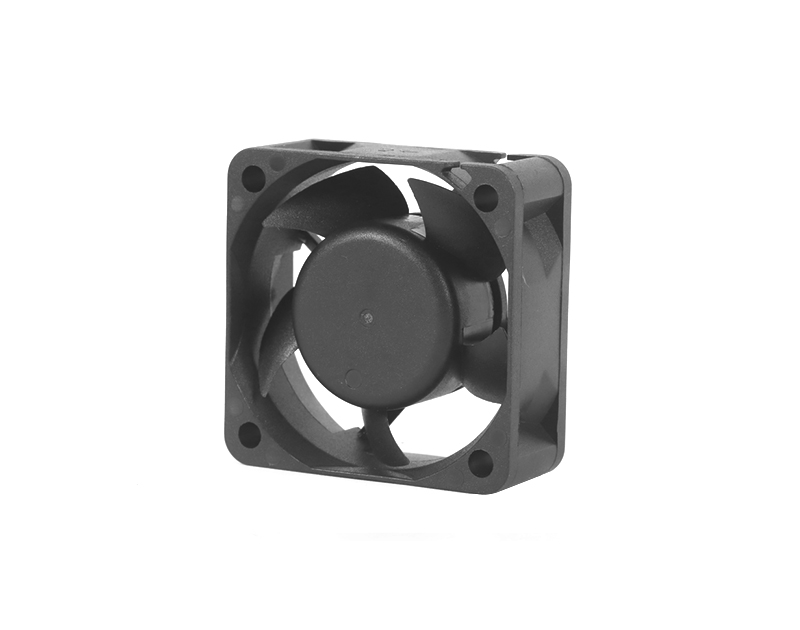
A brushless DC (BLDC) blower with a long service life is a high-performance, durable air-moving component that is designed to operate reliably for extended periods—often tens of thousands of hours—without significant wear or malfunction. Unlike traditional brushed DC blowers, which rely on carbon brushes to transfer power to the motor’s rotor, brushless DC blowers use electronic commutation to control the motor, eliminating the need for brushes. This fundamental design difference is what enables brushless DC blowers to achieve a much longer service life, along with other key advantages such as higher efficiency, lower maintenance, and reduced noise. These blowers are widely used in a variety of applications where reliability and long-term performance are critical, including industrial equipment, medical devices, automotive systems, HVAC (Heating, Ventilation, and Air Conditioning), and consumer electronics.
The primary reason for the long service life of brushless DC blowers is the absence of carbon brushes. In brushed DC blowers, the carbon brushes wear down over time due to friction with the motor’s commutator, eventually requiring replacement. This wear not only shortens the blower’s lifespan but also generates dust (from the worn brushes) that can clog the blower’s airflow channels and damage other components. In contrast, brushless DC blowers use electronic sensors (such as Hall effect sensors) or sensorless control systems to determine the position of the rotor, allowing the motor to commutate electronically without any physical contact. This eliminates brush wear entirely, significantly extending the blower’s service life—typically up to 50,000 hours or more, compared to 10,000-20,000 hours for brushed DC blowers. In some industrial applications, brushless DC blowers can operate for 100,000 hours or more with proper maintenance, making them a cost-effective choice for long-term use.
Another factor that contributes to the long service life of brushless DC blowers is their high efficiency. BLDC motors are inherently more efficient than brushed motors, converting a higher percentage of electrical energy into mechanical energy (airflow) with less heat generation. This reduced heat output not only lowers energy consumption but also minimizes wear and tear on the motor’s components, such as the bearings and windings. Excessive heat is a major cause of component failure in blowers, so the efficient heat management of brushless DC blowers helps to extend their lifespan. Additionally, the electronic commutation system in BLDC blowers operates more smoothly than the mechanical commutation in brushed blowers, reducing vibration and stress on the motor and impeller, which further contributes to durability.
Durable construction is another key feature of brushless DC blowers with long service life. These blowers are designed to withstand the rigors of continuous operation in various environments, including industrial settings, automotive underhood applications, and medical equipment. The motor windings are often made from high-temperature-resistant materials (such as enameled copper wire) that can withstand elevated temperatures without degradation. The impellers are constructed from lightweight, high-strength materials (such as plastic, aluminum, or stainless steel) that are resistant to wear, corrosion, and damage. The bearings used in BLDC blowers are typically high-quality ball bearings or sleeve bearings that are designed for long-term operation, with some models featuring sealed bearings to prevent dust and moisture ingress—critical for applications in harsh environments.
Low maintenance requirements are also a hallmark of brushless DC blowers with long service life. Since there are no brushes to replace, the only regular maintenance required is periodic cleaning of the intake filters to remove dust and debris, which can clog the airflow channels and reduce performance. Some models also feature self-lubricating bearings, eliminating the need for manual lubrication. This low maintenance not only reduces the total cost of ownership but also ensures that the blower operates reliably without frequent interruptions for maintenance, making it ideal for applications where downtime is costly or disruptive.
The performance of brushless DC blowers with long service life is also superior to that of brushed blowers. BLDC motors offer precise speed control, allowing the blower to adjust its airflow rate and pressure based on the application’s needs. This variable speed control not only improves efficiency but also reduces wear and tear by allowing the blower to operate at lower speeds when full airflow is not required. Additionally, brushless DC blowers produce less noise and vibration than brushed blowers, which not only improves the user experience but also reduces stress on the blower’s components, further extending its lifespan.
The application range of brushless DC blowers with long service life is extensive, covering a wide variety of industries and use cases. In industrial settings, these blowers are used for cooling industrial equipment (such as motors, generators, and control panels), ventilation systems, and pneumatic conveying. Their long service life and reliability make them ideal for 24/7 operation in manufacturing plants, warehouses, and other industrial facilities. In the automotive industry, BLDC blowers are used for cabin ventilation, seat cooling, battery cooling (in electric vehicles), and engine cooling, where they must withstand extreme temperatures, vibration, and humidity. In medical devices, such as ventilators, oxygen concentrators, and diagnostic equipment, brushless DC blowers are critical for providing a reliable and consistent airflow, with their long service life ensuring that the devices operate safely and continuously for patients.
In consumer electronics, brushless DC blowers are used for cooling laptops, gaming consoles, projectors, and other devices that generate heat during operation. Their long service life ensures that the devices remain functional for years without needing to replace the cooling blower. In HVAC systems, BLDC blowers are used for residential and commercial ventilation, providing efficient airflow while reducing energy consumption and maintenance costs. They are also used in renewable energy systems, such as solar panel cooling and wind turbine cooling, where reliability and long-term performance are essential.
When selecting a brushless DC blower with long service life, there are several key factors to consider. First, the service life rating (typically provided by the manufacturer in hours) should match the application’s requirements—industrial applications may require a service life of 50,000 hours or more, while consumer applications may require 30,000 hours or more. Second, the motor type (sensor or sensorless) is important—sensorless BLDC blowers are more reliable in harsh environments, as they have no sensors to fail, while sensor-based blowers offer more precise speed control. Third, the construction materials should be compatible with the application’s environment—for example, stainless steel impellers are ideal for corrosive environments, while plastic impellers are suitable for general-purpose use. Fourth, the airflow rate and pressure must match the application’s needs, ensuring that the blower can provide sufficient cooling or ventilation. Fifth, the efficiency and power consumption should be considered, as higher efficiency reduces energy costs and heat generation.
Maintenance is also an important consideration for maximizing the service life of a brushless DC blower. Regular cleaning of the intake filters is essential to prevent dust buildup, which can reduce airflow and increase heat generation. Inspecting the blower for signs of wear or damage, such as loose impellers, worn bearings, or damaged wiring, can help to prevent malfunctions and extend its lifespan. Additionally, ensuring that the blower is operated within its specified voltage and temperature range will help to avoid premature failure.
In recent years, manufacturers have continued to innovate in brushless DC blower technology, improving their service life, efficiency, and performance. Advancements such as advanced motor control algorithms, high-temperature materials, and sealed bearing designs have further extended the lifespan of these blowers, making them an even more reliable and cost-effective choice for a wide range of applications. As industries continue to demand more reliable and long-lasting equipment, the use of brushless DC blowers with long service life is expected to grow.
In conclusion, a brushless DC blower with long service life is a high-performance, durable component that offers significant advantages over traditional brushed DC blowers. Its brushless design eliminates wear from carbon brushes, its high efficiency reduces heat generation, and its durable construction ensures reliable operation in various environments. With a service life of up to 50,000 hours or more, these blowers are ideal for applications where reliability, low maintenance, and long-term performance are critical. Whether used in industrial equipment, automotive systems, medical devices, or consumer electronics, brushless DC blowers with long service life provide a cost-effective and reliable solution for air-moving and cooling needs.
If you have any suggestions and comments on our products and services, please fill in the following table

No. 18, Liguang New Industrial Zone Liguang Community, Guanlan Sub-district Longhua District, Shenzhen
Copyright 2026 © Shenzhen Yuchuang Industry Co., Ltd. 粤ICP备16089648号




 Chinese
 CN
CN Home >