


 Jul 08, 2026
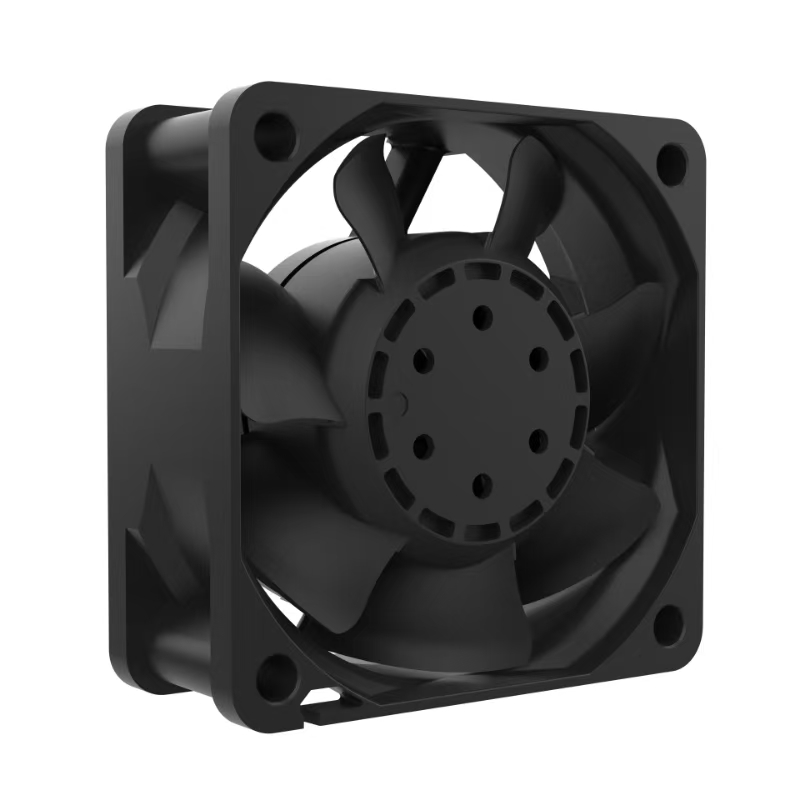
A CPU fan PC is a special cooling fan matched with the computer CPU heat sink, which is a core component responsible for cooling the central processing unit of the computer. Different from case fans used for internal overall ventilation, the CPU fan PC is specially designed for high-precision and high-efficiency heat dissipation of CPU hardware, and it is the key component to ensure the stable operation of the computer processor. The CPU is the core computing hardware of the computer, which generates a large amount of heat during operation. The CPU fan cooperates with the heat sink fins and heat conduction pipes to quickly discharge the heat generated by the CPU, avoiding system crash, frequency reduction, and hardware damage caused by CPU overheating.
In terms of structural design, CPU fan PC has professional customized characteristics. According to different heat sink specifications, CPU fans are mainly divided into 90mm, 120mm, 140mm and other sizes, matching with air-cooled heat sinks of different heights and specifications. The fan frame is designed with a narrow frame and high air volume, which can maximize the coverage of heat sink fins. The fan blade adopts a high-static pressure professional design, with optimized blade curvature and angle, which can generate strong wind pressure to penetrate the dense fin gap of the CPU heat sink, take away the heat on the surface of the fins, and realize efficient heat exchange. Most CPU fans are equipped with silicone shock absorption gaskets at the fixed corners, which can reduce the vibration noise generated by high-speed operation and avoid resonance with the heat sink.
In terms of functional specifications, mainstream CPU fan PC adopts 4-pin PWM wiring specification, which supports intelligent temperature control and automatic speed regulation. The motherboard can monitor the real-time temperature of the CPU. When the CPU is in low-load operation such as office and browsing web pages, the fan automatically runs at a low speed of 600-1000 RPM to realize ultra-quiet operation; when the CPU is in high-load operation such as gaming and rendering, the fan automatically increases the speed to 1500-2500 RPM to burst high heat dissipation performance and quickly reduce the CPU temperature. A small number of entry-level original CPU fans adopt 3-pin speed-measuring design, which can realize fixed-speed operation or manual speed regulation, meeting basic heat dissipation needs.
In terms of performance classification, CPU fan PC is divided into entry-level original fans, mid-range enhanced fans, and high-end overclocking fans. The entry-level original CPU fan is matched with the boxed CPU, with moderate performance and low noise, which can meet the heat dissipation needs of CPU daily low-load operation, suitable for office and home ordinary computers. The mid-range enhanced CPU fan optimizes the fan blade and bearing structure, with higher airflow and static pressure, which can cope with the heat generation of mainstream gaming CPUs and ensure stable operation of daily games and software. The high-end overclocking CPU fan adopts dual ball bearing and high-power motor design, with a speed of more than 2000 RPM, strong wind pressure and large airflow, which can meet the heat dissipation needs of CPU long-term overclocking operation and high-load professional computing.
The working principle and importance of CPU fan PC are extremely critical to computer operation. The CPU conducts the heat generated by operation to the heat sink fins through the heat conduction pipe and the bottom heat conduction layer. The CPU fan drives the air flow to pass through the fin gap, takes away the heat on the fin surface, and realizes the heat exchange between the CPU and the external air, so as to keep the CPU working within the safe temperature range. Once the CPU fan fails to rotate or the heat dissipation efficiency is insufficient, the CPU temperature will rise rapidly, resulting in computer stuttering, automatic restart, blue screen crash, and even permanent burnout of the CPU chip in severe cases. It can be said that the normal operation of the CPU fan is the basic guarantee for the stable operation of the entire computer system.
In terms of daily maintenance and replacement, CPU fan PC is a consumable component of the computer. After long-term operation, the bearing will wear out, resulting in slow speed, abnormal noise, and insufficient heat dissipation. Regular dust cleaning and maintenance are required. When the fan is aging and damaged, users need to replace the matching CPU fan according to the heat sink specification. With the upgrading of computer hardware, high-end CPU fans also add RGB lighting, intelligent temperature display, and low-noise mute optimization functions, which not only ensure efficient heat dissipation but also improve the appearance and use experience of the computer. As the most important cooling fan of the computer, CPU fan PC undertakes the core heat dissipation task of the computer and is an indispensable key component of desktop and notebook computers.
If you have any suggestions and comments on our products and services, please fill in the following table

No. 18, Liguang New Industrial Zone Liguang Community, Guanlan Sub-district Longhua District, Shenzhen
Copyright 2026 © Shenzhen Yuchuang Industry Co., Ltd. 粤ICP备16089648号




 Chinese
 CN
CN Home >