


 Apr 08, 2026
The 90mm DC axial fan is a widely used cooling component specifically designed for communication cabinets, playing a crucial role in maintaining the optimal operating temperature of electronic equipment within these enclosures. Communication cabinets, which house a variety of sensitive electronic devices such as routers, switches, servers, modems, and power supplies, generate significant amounts of heat during operation. Without effective thermal management, this heat can accumulate inside the cabinet, leading to reduced equipment performance, shortened lifespan, and even premature failure. The 90mm DC axial fan is particularly well-suited for communication cabinets due to its compact size, high airflow efficiency, low power consumption, and compatibility with the space constraints and cooling requirements of these enclosures.
To understand the importance of the 90mm DC axial fan in communication cabinets, it is first necessary to examine the thermal challenges faced by communication equipment. Communication cabinets are often installed in harsh environments, including outdoor locations, data centers, and telecommunication facilities, where temperature fluctuations, dust, humidity, and vibration are common. The electronic components inside the cabinet, such as microprocessors, capacitors, and integrated circuits, generate heat as they operate, and if this heat is not dissipated efficiently, the temperature inside the cabinet can rise to levels that exceed the components’ maximum operating temperature. For example, a typical router or switch may have a maximum operating temperature of 40-60°C, and prolonged exposure to temperatures above this range can cause component degradation, data loss, or complete equipment failure. The 90mm DC axial fan addresses this challenge by providing a reliable and efficient means of moving cool air into the cabinet and expelling hot air out, maintaining a stable internal temperature.
The 90mm size refers to the fan’s frame diameter, which is a standard dimension in the fan industry. This size is ideal for communication cabinets because it balances airflow performance with space efficiency. Communication cabinets come in various sizes, from small wall-mounted enclosures to large floor-standing cabinets, and the 90mm DC axial fan can be easily integrated into most cabinet designs. Its compact size allows for multiple fans to be installed in a single cabinet, providing redundant cooling and ensuring that even high-density equipment configurations receive adequate airflow. Additionally, the 90mm size is compatible with standard mounting holes and brackets, making installation quick and straightforward, which is important for large-scale deployment in data centers and telecommunication facilities.
DC axial fans, including the 90mm variant, operate using direct current (DC) power, which offers several advantages over alternating current (AC) fans for communication cabinet applications. DC fans are more energy-efficient than AC fans, consuming less power while delivering the same or higher airflow rates. This is particularly important for communication cabinets, which often operate 24/7 and require consistent cooling. Lower power consumption not only reduces energy costs but also minimizes heat generation from the fan itself, which helps to maintain the overall thermal balance inside the cabinet. Additionally, DC fans offer variable speed control, allowing the fan’s speed to be adjusted based on the cabinet’s internal temperature. This feature is highly beneficial for communication cabinets, as it enables the fan to operate at lower speeds when the equipment is not generating much heat, reducing noise and energy consumption, and increasing speed when the temperature rises, ensuring effective cooling.
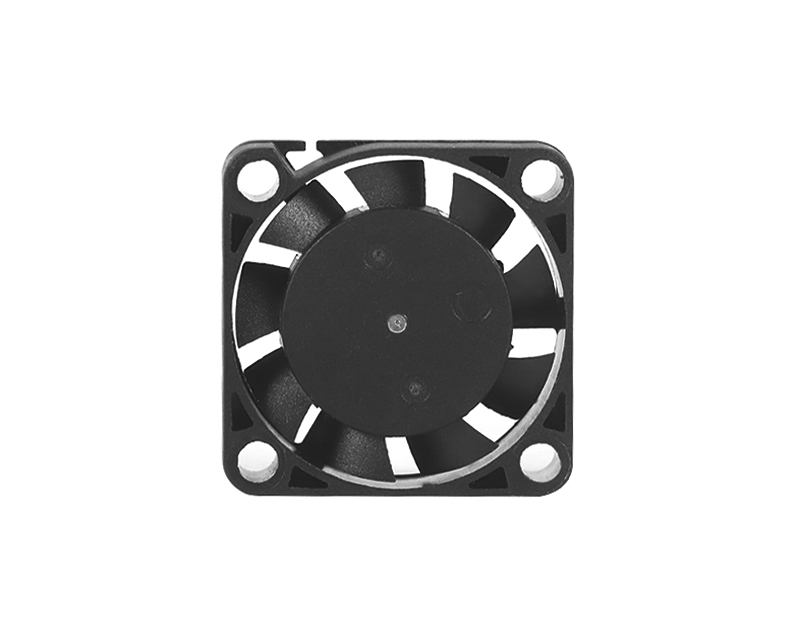
The design of the 90mm DC axial fan is optimized for airflow efficiency and durability, making it suitable for the demanding environment of communication cabinets. The fan consists of a motor, an impeller with multiple blades, a frame, and a bearing system. The impeller blades are typically made of high-quality materials such as plastic (ABS or PC) or metal (aluminum), depending on the application requirements. The blade design is carefully engineered to maximize airflow while minimizing noise and turbulence. For example, the blades may have a curved or aerodynamic profile to reduce air resistance and improve airflow efficiency. The frame of the fan is designed to be sturdy and durable, with mounting holes that allow for secure installation in the cabinet. The bearing system, which supports the impeller’s rotation, is a critical component that affects the fan’s lifespan and reliability. Common bearing types used in 90mm DC axial fans for communication cabinets include sleeve bearings and ball bearings. Sleeve bearings are cost-effective and suitable for low-to-medium speed applications, while ball bearings offer higher durability, longer lifespan, and better performance in high-temperature or high-vibration environments.
Another important feature of 90mm DC axial fans for communication cabinets is their ability to withstand harsh environmental conditions. Communication cabinets installed outdoors or in industrial settings are exposed to dust, dirt, moisture, and temperature extremes. To address this, many 90mm DC axial fans are designed with IP (Ingress Protection) ratings, which indicate the fan’s resistance to dust and water. For example, a fan with an IP54 rating is protected against dust ingress and splashing water, making it suitable for outdoor or semi-outdoor applications. Additionally, the fan’s motor and electronic components are often sealed or coated to prevent damage from moisture and corrosion, ensuring reliable operation in harsh environments.
Noise reduction is another key consideration for 90mm DC axial fans in communication cabinets, especially in data centers and office environments where noise levels must be kept to a minimum. DC fans are inherently quieter than AC fans due to their smoother operation and lack of the hum associated with AC motor operation. Additionally, manufacturers optimize the 90mm DC axial fan’s design to further reduce noise, including using low-noise bearings, optimizing blade geometry, and adding sound-dampening materials to the frame. Some fans also feature variable speed control, which allows the fan to operate at lower speeds when possible, further reducing noise levels without compromising cooling performance.
The application of 90mm DC axial fans in communication cabinets is diverse, covering a wide range of equipment and environments. In data centers, which house large numbers of servers, switches, and other network equipment, 90mm DC axial fans are used to cool individual server racks or cabinets. Multiple fans are often installed in a redundant configuration, ensuring that if one fan fails, another can take over to prevent overheating. In small office or home office (SOHO) environments, wall-mounted communication cabinets housing routers and modems may use a single 90mm DC axial fan to provide adequate cooling. Outdoor communication cabinets, such as those used for cellular base stations, rely on 90mm DC axial fans with high IP ratings to withstand exposure to the elements while maintaining effective cooling.
In addition to standard 90mm DC axial fans, there are also specialized variants designed for specific communication cabinet applications. For example, high-static-pressure 90mm DC axial fans are designed to overcome the resistance caused by air filters, cable bundles, and other obstacles inside the cabinet, ensuring that airflow is not compromised. These fans are particularly useful in cabinets with high-density equipment or those that require air filters to prevent dust ingress. Another specialized variant is the reversible 90mm DC axial fan, which can blow air in either direction. This feature is useful for cabinets that require periodic cleaning of air filters, as the fan can be reversed to blow dust out of the cabinet, reducing maintenance requirements.
The selection of a 90mm DC axial fan for a communication cabinet depends on several key factors, including the required airflow rate, static pressure, power consumption, noise level, IP rating, and bearing type. The airflow rate, measured in cubic feet per minute (CFM) or cubic meters per hour (m³/h), is determined by the heat load of the equipment inside the cabinet. The static pressure, measured in inches of water (inH2O) or Pascals (Pa), is important for overcoming the resistance of air filters, cables, and other components inside the cabinet. Power consumption is a critical consideration for energy efficiency, especially for cabinets that operate 24/7. Noise level is important for environments where noise is a concern, such as offices or data centers. The IP rating ensures that the fan can withstand the environmental conditions of the installation location, and the bearing type affects the fan’s lifespan and reliability.
In recent years, there has been a growing trend towards the integration of smart technology in 90mm DC axial fans for communication cabinets. Many modern fans feature built-in sensors that monitor the fan’s speed, temperature, and performance, providing real-time data to the cabinet’s control system. This data can be used to optimize cooling performance, detect fan failures, and enable predictive maintenance. For example, if a fan’s speed decreases or its temperature rises above a threshold, the control system can alert the user or automatically adjust the fan’s speed or switch to a redundant fan. This not only improves the reliability of the cooling system but also reduces maintenance costs and downtime.
Another trend is the focus on energy efficiency and sustainability. As data centers and telecommunication facilities strive to reduce their energy consumption and carbon footprint, energy-efficient 90mm DC axial fans are becoming increasingly important. Manufacturers are continuously improving the design of these fans to increase airflow efficiency and reduce power consumption. For example, the use of advanced motor technology, such as brushless DC (BLDC) motors, further improves energy efficiency and reduces noise compared to traditional brushed DC motors. Additionally, the use of eco-friendly materials in fan construction is becoming more common, aligning with the industry’s focus on sustainability.
Maintenance is another important aspect of 90mm DC axial fans in communication cabinets. Regular maintenance ensures that the fans operate at peak performance and have a long lifespan. This includes cleaning the fan’s impeller and frame to remove dust and debris, checking the bearing system for wear, and inspecting the electrical connections for damage. In data centers and large-scale facilities, maintenance is often performed on a scheduled basis, with fans replaced periodically to prevent failure. Some fans are designed with easy-to-replace components, making maintenance quick and cost-effective.
In conclusion, the 90mm DC axial fan is a critical component in communication cabinets, providing reliable, efficient, and cost-effective thermal management for sensitive electronic equipment. Its compact size, energy efficiency, variable speed control, and durability make it well-suited to the demanding requirements of communication environments. As the demand for high-performance communication equipment continues to grow, the role of the 90mm DC axial fan will become even more important, driving innovation in fan design, smart technology integration, and energy efficiency. Whether in data centers, outdoor base stations, or office environments, the 90mm DC axial fan plays a vital role in ensuring the reliable operation of communication equipment.
If you have any suggestions and comments on our products and services, please fill in the following table

No. 18, Liguang New Industrial Zone Liguang Community, Guanlan Sub-district Longhua District, Shenzhen
Copyright 2026 © Shenzhen Yuchuang Industry Co., Ltd. 粤ICP备16089648号




 Chinese
 CN
CN Home >