


 Apr 21, 2026
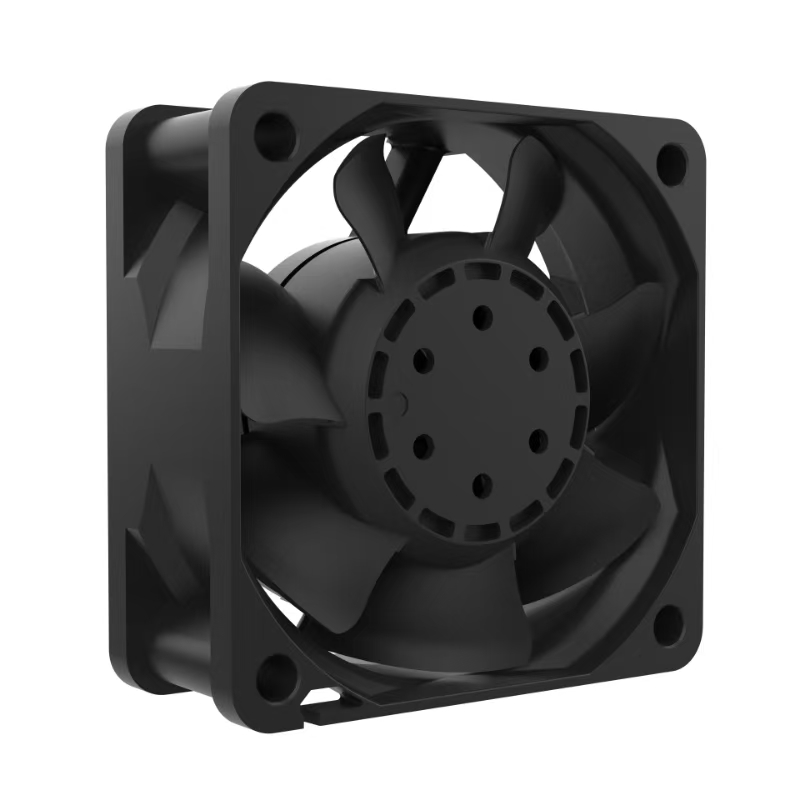
A DC blower PWM adjustable speed centrifugal fan is a versatile and efficient air-moving device that combines the high static pressure capabilities of a centrifugal fan with the precise speed control of Pulse-Width Modulation (PWM) technology, powered by a direct current (DC) motor. This type of blower is widely used in various applications where precise control of air flow and pressure is required, such as electronic equipment cooling, HVAC systems, medical devices, industrial automation, and automotive systems. Unlike fixed-speed fans or blowers with traditional speed control methods (e.g., voltage regulation), PWM-adjustable speed centrifugal DC blowers offer superior control accuracy, energy efficiency, and flexibility, making them ideal for applications that demand variable air flow based on real-time requirements.
To understand the functionality of a DC blower PWM adjustable speed centrifugal fan, it is essential to break down its key components and how they work together. The core components include a DC motor (typically a brushless DC or BLDC motor), a centrifugal impeller, a PWM control circuit, and a housing. The centrifugal impeller is the heart of the air-moving system: it consists of a rotating wheel with curved blades that draw air axially into the fan and discharge it radially at a higher pressure. This centrifugal design allows the blower to generate high static pressure, which is critical for applications where air needs to be pushed through ducts, filters, or other restrictive components. The DC motor provides the power to drive the impeller, and its speed is controlled by the PWM control circuit.
PWM technology is the key to the adjustable speed functionality of this blower. PWM works by rapidly turning the DC motor on and off at a fixed frequency (typically between 20Hz and 20kHz) to control the average voltage supplied to the motor. The duty cycle (the percentage of time the motor is on during each cycle) determines the motor’s speed: a higher duty cycle (e.g., 100%) means the motor runs at full speed, while a lower duty cycle (e.g., 50%) means the motor runs at half speed. This method of speed control is highly efficient because it does not waste energy as heat (unlike voltage regulation, which dissipates excess energy as heat), resulting in lower power consumption and longer motor life. Additionally, PWM control provides precise speed adjustment, with most blowers offering adjustable duty cycles from 0% to 100%, allowing for fine-tuning of air flow and pressure to meet specific application requirements.
The brushless DC (BLDC) motor is the preferred choice for most PWM adjustable speed centrifugal DC blowers due to its numerous advantages over brushed DC motors. BLDC motors have no brushes or commutators, which eliminates friction, reduces noise, and extends the motor’s service life (often up to 50,000 hours or more, compared to 10,000-20,000 hours for brushed motors). They also offer higher efficiency (typically 80-90%, compared to 60-70% for brushed motors), which translates to lower energy consumption and reduced operating costs. BLDC motors also have better speed stability and response time, making them ideal for applications that require rapid speed adjustments, such as cooling systems for electronic devices that experience varying heat loads.
Another key feature of the DC blower PWM adjustable speed centrifugal fan is its ability to generate high static pressure while maintaining efficient air flow. Centrifugal fans are designed to overcome resistance in air ducts, filters, or other components, making them suitable for applications where air needs to be distributed over long distances or through restrictive pathways. For example, in HVAC systems, centrifugal blowers are used to push air through ductwork to different rooms, while in electronic equipment, they are used to cool components by pushing air through heat sinks and filters. The PWM speed control allows the blower to adjust its output based on the resistance in the system: if the filter becomes clogged (increasing resistance), the blower can increase its speed to maintain the required air flow, ensuring consistent cooling or ventilation.
Energy efficiency is a major advantage of PWM adjustable speed centrifugal DC blowers. In applications where the required air flow varies over time (e.g., electronic equipment that is not always operating at full load, or HVAC systems that adjust to changing room temperatures), the blower can reduce its speed during low-demand periods, resulting in significant energy savings. For example, a blower operating at 50% speed consumes only about 12.5% of the power it consumes at full speed (since power consumption is proportional to the cube of the speed), making PWM control a highly effective way to reduce energy costs. This is particularly important in industrial and commercial applications, where energy efficiency is a key consideration for reducing operating expenses and meeting sustainability goals.
Noise reduction is another benefit of PWM adjustable speed centrifugal DC blowers. The speed of the blower directly affects the noise it generates: lower speeds result in lower noise levels. PWM control allows the blower to operate at the minimum speed required to meet the application’s needs, reducing noise pollution in environments where quiet operation is important, such as medical facilities, offices, and residential buildings. Additionally, BLDC motors are inherently quieter than brushed motors, as they have no brush friction or commutator sparking, further reducing noise levels.
The applications of DC blower PWM adjustable speed centrifugal fans are diverse and span multiple industries. In the electronics industry, they are used to cool CPUs, GPUs, power supplies, and other heat-generating components in computers, servers, and industrial control systems. The PWM control allows the blower to adjust its speed based on the temperature of the components, ensuring efficient cooling without wasting energy. In HVAC systems, these blowers are used in air handlers, ductless mini-splits, and ventilation systems, where they provide precise control of air flow to maintain comfortable indoor temperatures and air quality. In medical devices, such as ventilators, oxygen concentrators, and diagnostic equipment, PWM-adjustable blowers are used to deliver precise air flow rates, ensuring the safety and effectiveness of the device.
In the automotive industry, DC blower PWM adjustable speed centrifugal fans are used in cabin ventilation systems, battery cooling systems for electric vehicles (EVs), and engine cooling systems. For EVs, battery cooling is critical to maintaining battery performance and longevity, and PWM-adjustable blowers provide precise control of the cooling air flow to keep the battery at an optimal temperature. In industrial automation, these blowers are used in packaging machines, printing equipment, and industrial ovens, where they provide controlled air flow for drying, cooling, or ventilation.
When selecting a DC blower PWM adjustable speed centrifugal fan, several factors should be considered, including the required air volume (CFM or m³/h), static pressure (inches of water or Pa), operating voltage (e.g., 12V, 24V, 48V), PWM frequency range, noise level, and physical size. It is also important to consider the application’s environmental conditions, such as temperature, humidity, and the presence of dust or contaminants, as these can affect the blower’s performance and service life. Additionally, choosing a blower with a built-in feedback mechanism (e.g., a hall sensor or tachometer) can provide real-time speed feedback, allowing for more precise control and monitoring.
Maintenance of DC blower PWM adjustable speed centrifugal fans is relatively simple, thanks to the durability of BLDC motors. Regular cleaning of the impeller and housing to remove dust and debris is essential to maintain air flow efficiency and prevent motor overload. It is also important to check the PWM control circuit for signs of damage or wear, and to ensure that the power supply is stable to prevent voltage fluctuations that could damage the motor. Most reputable manufacturers provide detailed maintenance guidelines and technical support to help users maximize the blower’s service life.
In conclusion, the DC blower PWM adjustable speed centrifugal fan is a highly versatile and efficient air-moving solution that offers precise speed control, high static pressure, energy efficiency, and low noise. Its combination of centrifugal design and PWM technology makes it suitable for a wide range of applications across multiple industries, from electronics cooling to HVAC systems and medical devices. As the demand for energy-efficient and smart solutions continues to grow, PWM-adjustable speed centrifugal DC blowers will remain a key component in modern air-moving systems, providing reliable and flexible performance to meet the evolving needs of users.
If you have any suggestions and comments on our products and services, please fill in the following table

No. 18, Liguang New Industrial Zone Liguang Community, Guanlan Sub-district Longhua District, Shenzhen
Copyright 2026 © Shenzhen Yuchuang Industry Co., Ltd. 粤ICP备16089648号




 Chinese
 CN
CN Home >