


 Jun 18, 2026
Industrial CPU coolers are specialized thermal management components engineered exclusively for industrial-grade computing devices, distinguishing them drastically from consumer-grade desktop coolers in terms of durability, operational stability, environmental adaptability, and long-term reliability. Unlike ordinary CPU coolers designed for intermittent home and office use, industrial CPU coolers are built to support 24/7 continuous operation, withstand extreme environmental interference, and maintain consistent thermal performance in complex industrial scenarios, making them a core guarantee for the stable operation of industrial control computers, edge computing servers, automated production equipment, and industrial embedded systems. In modern industrial manufacturing, intelligent automation, and industrial Internet of Things (IIoT) systems, industrial computers undertake core tasks such as data collection, operational control, and signal processing. Long-term high-load operation will generate massive heat, while industrial sites often feature high temperature, high humidity, dust pollution, mechanical vibration, and voltage fluctuations. Ordinary consumer coolers are unable to adapt to these harsh conditions, prone to performance attenuation, fan failure, heat dissipation blockage, and even equipment downtime, which may lead to production line stagnation and huge economic losses. Industrial CPU coolers are precisely optimized and upgraded for these pain points, becoming an indispensable key component of industrial computing equipment.
The core design advantages of industrial CPU coolers are reflected in material selection, structural design, and process standards. In terms of heat conduction materials, high-purity copper heat pipes and thickened aluminum fin arrays are widely adopted. High-purity copper boasts excellent thermal conductivity, which can quickly and evenly export the high heat generated by the CPU under long-term full load, while the thickened aluminum fin structure increases the heat dissipation area and improves air convection efficiency. Different from the thin and lightweight fin design of consumer coolers, industrial heat sink fins are processed with anti-corrosion oxidation treatment, effectively resisting corrosion caused by humid air, industrial oil fume, and chemical gas in factory environments, avoiding heat dissipation efficiency degradation caused by fin oxidation and scaling. Most industrial CPU coolers adopt multi-heat-pipe vertical penetration structure, with heat pipes closely fitted with the CPU contact base to achieve zero-gap heat conduction, ensuring rapid heat transfer from the CPU core to the heat dissipation fins.
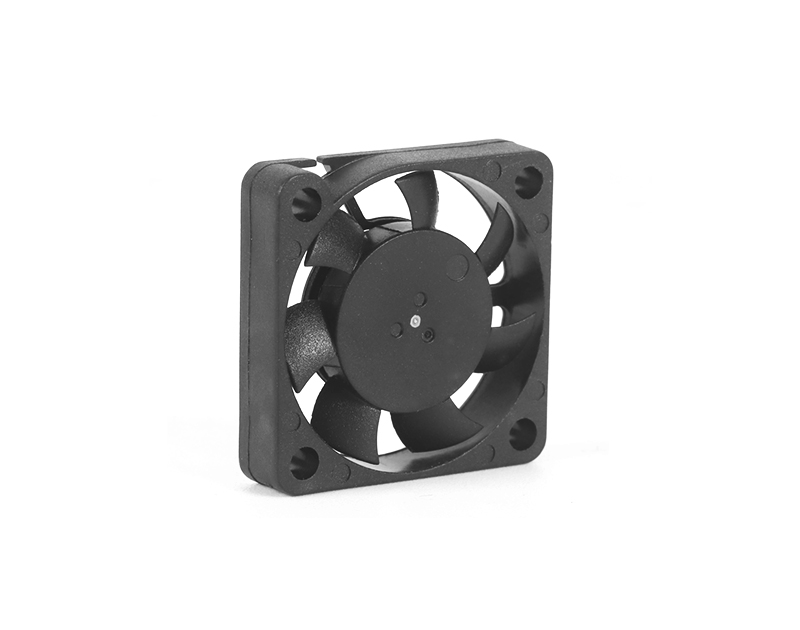
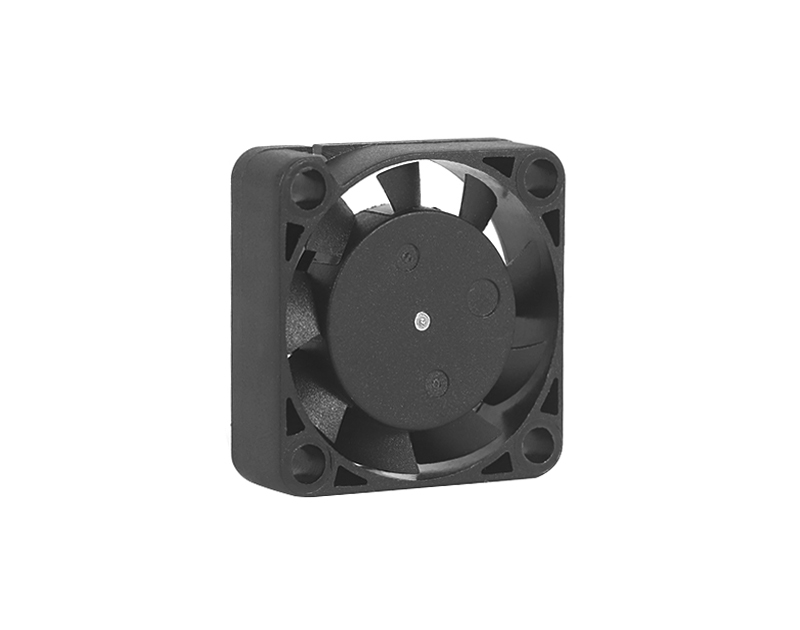
In terms of fan configuration, industrial CPU coolers are equipped with industrial-grade ball-bearing fans that meet MIL-STD-810H military standards, with a service life of more than 100,000 hours, far exceeding the 30,000–50,000 hours of ordinary sleeve-bearing fans. These fans can operate stably in a temperature range of -20°C to 70°C, without stalling or abnormal noise in low-temperature cold environments or high-temperature workshop environments. Meanwhile, the fans support PWM intelligent speed regulation, which can automatically adjust the speed according to the CPU real-time temperature, balancing heat dissipation efficiency and energy consumption. In addition, the fan frame and heat sink are equipped with reinforced anti-vibration structures, which can resist mechanical vibration and impact generated by industrial equipment operation, prevent solder joint loosening and component displacement caused by long-term vibration, and ensure long-term operational stability.
Environmental adaptability is another core attribute of industrial CPU coolers. Most products have IP dustproof and waterproof ratings, which can effectively block industrial dust, metal debris, and water mist from entering the heat dissipation structure, avoiding fin blockage and fan jamming. For coastal industrial sites with high salinity and humid environments, the mounting hardware of industrial coolers adopts nickel-plated steel process, which completely avoids galvanic corrosion and ensures the firmness of long-term installation. In terms of operational stability, industrial CPU coolers can maintain continuous and efficient heat dissipation under long-term full-load CPU operation, without thermal attenuation phenomenon. Consumer coolers will experience obvious heat dissipation decline after long-term operation due to dust accumulation and bearing wear, while industrial coolers adopt sealed dust-proof design and wear-resistant structural materials, maintaining stable thermal performance for several years.
The application scenarios of industrial CPU coolers cover all industrial computing fields that require long-term stable operation. In automated production lines, they are used in PLC industrial control hosts and industrial touch-screen computers to ensure stable operation of equipment control systems during 24-hour continuous production. In edge computing and industrial micro data centers, they support high-load data processing of edge servers, solving the heat dissipation problem of dense computing equipment in limited space. In intelligent transportation and aerospace auxiliary equipment, industrial on-board computers and avionics computing devices need industrial CPU coolers to adapt to extreme temperature differences and vibration environments. In medical equipment such as patient monitors and industrial detection instruments, the low-noise and high-stability characteristics of industrial coolers avoid interference with precision instrument operation. With the rapid development of industrial intelligence and digital transformation, the demand for high-reliability industrial CPU coolers is constantly increasing, and they have become an important basic component to ensure the safe and stable operation of modern industrial systems.
If you have any suggestions and comments on our products and services, please fill in the following table

No. 18, Liguang New Industrial Zone Liguang Community, Guanlan Sub-district Longhua District, Shenzhen
Copyright 2026 © Shenzhen Yuchuang Industry Co., Ltd. 粤ICP备16089648号




 Chinese
 CN
CN Home >