


 Mar 27, 2026
As the demand for energy-efficient computing continues to grow, low-power CPUs have become increasingly popular in a wide range of applications, from ultrabooks and mini-PCs to home servers and embedded systems. These CPUs are designed to consume less power and generate less heat than their high-performance counterparts, but they still require effective cooling to maintain optimal performance and stability. This is where Low Power CPU Coolers come into play. Tailored specifically for the thermal needs of low-power processors, these coolers offer a perfect balance of efficiency, compactness, and quiet operation. In this article, we will explore the key features, benefits, design considerations, and applications of low-power CPU coolers, highlighting why they are an essential component for energy-saving computing systems.
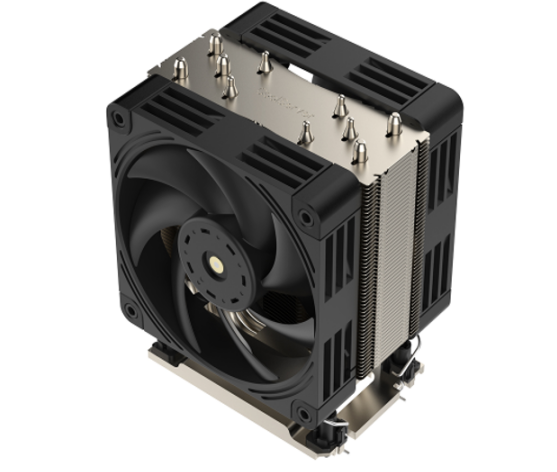
Low power CPU coolers are specifically engineered to handle the relatively low heat output of low-power CPUs, which typically have a TDP (Thermal Design Power) rating of 15W to 65W. Unlike high-performance coolers that are designed to dissipate large amounts of heat, low-power coolers are optimized for efficiency in low-heat environments, ensuring that they do not consume unnecessary power or produce excessive noise. One of the defining characteristics of low-power CPU coolers is their compact size. Many low-power computing systems, such as ultrabooks, mini-PCs, and NUCs (Next Unit of Computing), have limited space for cooling components, so low-power coolers are designed to be small and lightweight, fitting easily into these tight spaces. This compact design does not compromise cooling performance, however, as these coolers are equipped with efficient heat transfer mechanisms, such as heat pipes or thin copper fins, that are tailored to the low heat load of the CPU.
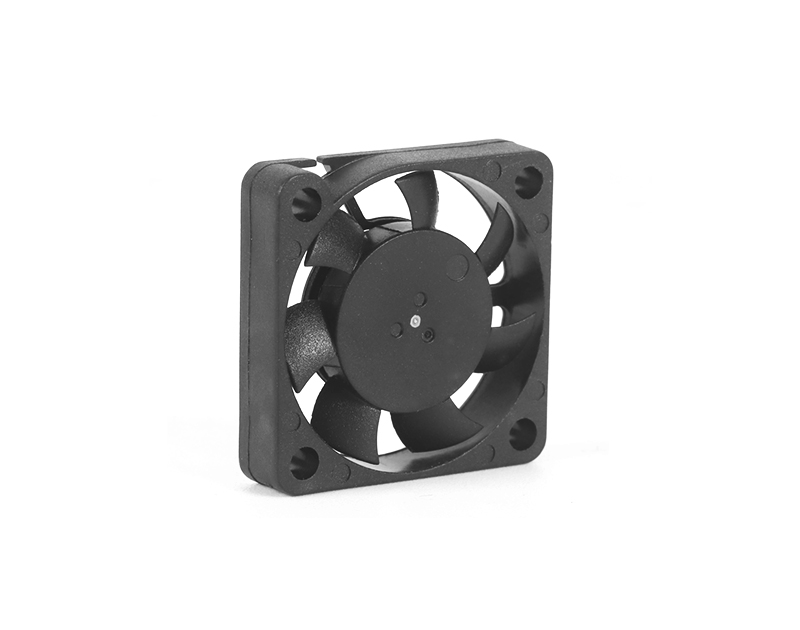
Quiet operation is another key advantage of low-power CPU coolers. Since low-power CPUs generate less heat, the cooler does not need to work as hard to maintain optimal temperatures, which means that the fan (if equipped) can operate at lower speeds. Many low-power coolers come with PWM (Pulse Width Modulation) fans that can adjust their speed based on the CPU temperature, running at near-silent speeds when the CPU is under light load and ramping up only when necessary. Some low-power coolers even feature passive cooling designs, which eliminate the fan entirely, resulting in zero noise output. This makes low-power coolers ideal for applications where quiet operation is a priority, such as home theaters, office environments, or bedrooms.
Energy efficiency is a core benefit of low-power CPU coolers. Just as low-power CPUs are designed to consume less electricity, low-power coolers are also optimized to minimize power usage. Fanless passive coolers consume no additional power, relying solely on natural convection to dissipate heat. Coolers with fans use energy-efficient fans that draw very little power, especially when running at low speeds. This not only reduces the overall power consumption of the computing system but also helps to lower energy costs over time. For users who are looking to build an eco-friendly PC or reduce their carbon footprint, a low-power CPU cooler is an important component that contributes to the system's overall energy efficiency.
The design of low-power CPU coolers varies depending on the specific application and form factor of the computing system. One common design is the low-profile heatsink with heat pipes. These coolers feature a thin heatsink with a small number of heat pipes (usually 2-4) that transfer heat from the CPU to the fins. The heatsink is often paired with a small, quiet fan that provides additional airflow. This design is compact enough to fit in most small-form-factor cases while still delivering sufficient cooling for low-power CPUs. Another popular design is the passive heatsink, which consists of a solid block of copper or aluminum with fins that radiate heat away from the CPU. Passive coolers are completely silent and require no power, making them ideal for fanless systems, such as embedded controllers or home servers that run 24/7.
Some low-power CPU coolers also feature innovative design elements to enhance cooling efficiency. For example, some coolers use direct-touch heat pipes, where the heat pipes are in direct contact with the CPU die, eliminating the thermal resistance of a separate base plate. Others use high-density fins or heat spreaders to increase the surface area available for heat dissipation, improving convection. Additionally, many low-power coolers are made from high-quality materials, such as copper for the base plate and heat pipes (due to its excellent thermal conductivity) and aluminum for the fins (due to its lightweight and cost-effectiveness), ensuring optimal heat transfer performance.
Low power CPU coolers are suitable for a wide range of applications, each with specific cooling requirements. Ultrabooks and laptops, which are designed for portability and energy efficiency, often use low-power coolers that are integrated into the device's chassis, ensuring that the CPU remains cool without adding excessive weight or bulk. Mini-PCs and NUCs, which are popular for home entertainment systems, office work, and digital signage, rely on compact low-power coolers to fit into their small form factors while maintaining quiet operation. Home servers and network-attached storage (NAS) devices, which run continuously, benefit from the reliability and low power consumption of low-power coolers, especially passive models that require no maintenance. Embedded systems, such as those used in industrial automation, smart home devices, and medical equipment, also use low-power coolers to ensure stable performance in harsh or space-constrained environments.
When selecting a low-power CPU cooler, there are several important factors to consider. First, compatibility with the CPU socket is crucial, as the cooler must fit properly on the motherboard. The TDP rating of the cooler should match or exceed the TDP of the CPU to ensure that it can handle the maximum heat output of the processor. The size of the cooler is also a key consideration, especially for small-form-factor systems, as the cooler must fit within the available space without interfering with other components, such as RAM modules or the power supply. The type of cooling (active or passive) should be chosen based on the application's noise requirements: passive cooling is ideal for silent systems, while active cooling with a fan may be necessary for CPUs at the higher end of the low-power TDP range. Finally, the build quality and brand reputation should be taken into account to ensure that the cooler is reliable and durable.
In summary, low-power CPU coolers are a specialized and essential component for energy-saving computing systems. Their compact design, quiet operation, and energy efficiency make them perfectly suited for low-power CPUs and small-form-factor devices. Whether you are building a mini-PC for home entertainment, a fanless server for 24/7 operation, or an embedded system for industrial use, a low-power CPU cooler ensures that your CPU remains cool and stable while minimizing power consumption and noise. As the demand for energy-efficient computing continues to rise, low-power CPU coolers will remain a key part of the PC hardware ecosystem, providing efficient and reliable cooling for the next generation of low-power processors.
If you have any suggestions and comments on our products and services, please fill in the following table

No. 18, Liguang New Industrial Zone Liguang Community, Guanlan Sub-district Longhua District, Shenzhen
Copyright 2026 © Shenzhen Yuchuang Industry Co., Ltd. 粤ICP备16089648号




 Chinese
 CN
CN Home >