


 Jan 21, 2026
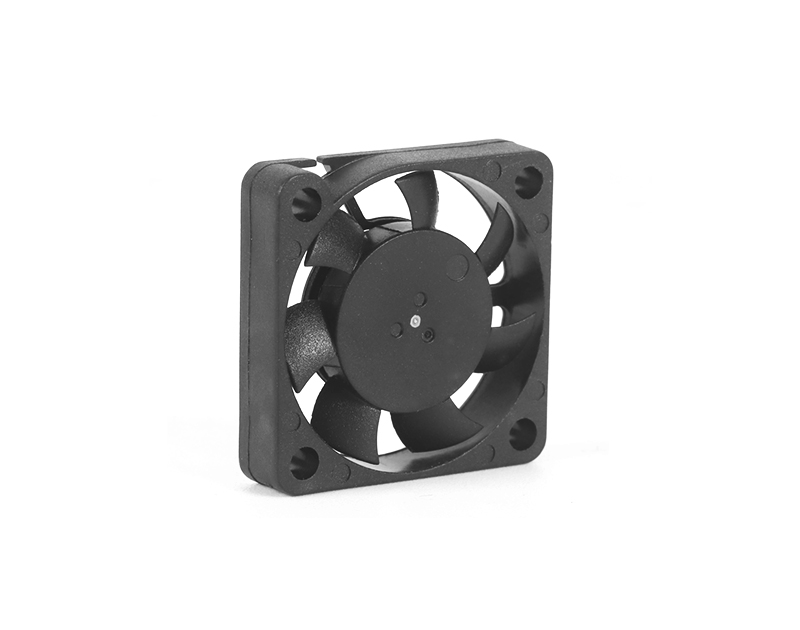
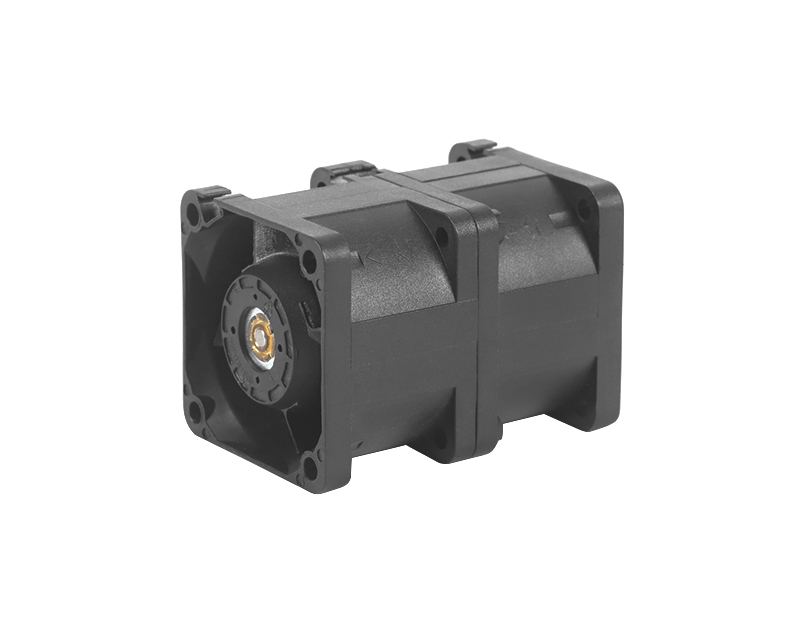
The Ventilation DC Blower is a specialized air-moving device engineered specifically for ventilation applications, where the primary goal is to facilitate the exchange of air between indoor and outdoor environments, remove contaminants, and maintain optimal air quality and thermal comfort. Unlike general-purpose blowers, ventilation DC blowers are designed with a focus on energy efficiency, quiet operation, and compatibility with various ventilation systems, making them suitable for residential, commercial, industrial, and institutional settings. By utilizing direct current (DC) power, these blowers offer significant advantages over traditional alternating current (AC) ventilation fans, including lower energy consumption, more precise speed control, and a longer service life, making them a sustainable and cost-effective solution for modern ventilation needs.
One of the key features of the Ventilation DC Blower is its high energy efficiency, which is largely attributed to the use of brushless DC (BLDC) motor technology. BLDC motors are inherently more efficient than brushed DC motors and AC induction motors, converting a higher percentage of electrical energy into mechanical energy. This translates to lower power consumption—typically 30% to 50% less energy usage compared to AC ventilation fans—resulting in significant cost savings on electricity bills over the blower’s lifetime. For example, in residential ventilation systems such as bathroom exhaust fans or kitchen range hoods, a Ventilation DC Blower can operate continuously for hours without incurring excessive energy costs, making it an ideal choice for energy-conscious homeowners and building managers. Additionally, the BLDC motor operates with minimal noise and vibration, a crucial advantage in ventilation applications where quiet operation is essential, such as bedrooms, offices, hospitals, and libraries.
Another important aspect of the Ventilation DC Blower is its flexible and precise speed control capabilities. Unlike AC fans, which typically operate at a fixed speed, DC blowers can be easily adjusted to varying speeds using pulse-width modulation (PWM) or analog control signals. This allows for precise regulation of airflow rates, enabling the blower to adapt to changing ventilation requirements. For instance, in a commercial office building, the ventilation system can adjust the blower speed based on the number of occupants (detected via occupancy sensors) or the level of indoor air pollutants (measured via air quality sensors), ensuring optimal air quality while minimizing energy waste. This level of control also makes the Ventilation DC Blower compatible with smart building systems, allowing for remote monitoring and control through building management systems (BMS) or mobile applications, enhancing the overall efficiency and convenience of the ventilation system.
The design and construction of the Ventilation DC Blower are tailored to meet the specific demands of ventilation applications. The blower housing is typically made from durable, corrosion-resistant materials such as ABS plastic, aluminum, or stainless steel, ensuring longevity even in harsh environments (e.g., high humidity in bathrooms or chemical fumes in industrial workshops). The impeller—usually a centrifugal or cross-flow design—is optimized for high airflow efficiency and low noise. Centrifugal impellers are ideal for applications requiring higher static pressure, such as duct ventilation systems, while cross-flow impellers are better suited for applications requiring uniform airflow distribution, such as air curtains or ceiling-mounted ventilation units. Additionally, many Ventilation DC Blowers are equipped with removable filters, which help capture dust, pollen, and other airborne particles, improving indoor air quality and protecting the blower motor from contamination.
The application range of the Ventilation DC Blower is vast and varied. In residential settings, it is used in bathroom exhaust fans, kitchen range hoods, whole-house ventilation systems, and basement dehumidifiers. In commercial and institutional buildings, it is employed in office ventilation systems, hospital air purification systems, school classrooms, and hotel guest rooms. In industrial environments, it plays a critical role in factory ventilation systems, removing harmful fumes, dust, and heat from production areas, and in cleanrooms, where it helps maintain controlled air quality and pressure. The blower is also used in specialized ventilation applications such as automotive cabin ventilation systems, marine ventilation, and portable air purifiers. With the growing emphasis on indoor air quality and energy efficiency, the Ventilation DC Blower is becoming an indispensable component in modern ventilation systems, offering a reliable, efficient, and flexible solution to meet the diverse needs of different applications.
If you have any suggestions and comments on our products and services, please fill in the following table

No. 18, Liguang New Industrial Zone Liguang Community, Guanlan Sub-district Longhua District, Shenzhen
Copyright 2026 © Shenzhen Yuchuang Industry Co., Ltd. 粤ICP备16089648号




 Chinese
 CN
CN Home >