


 May 26, 2026
Air conditioning (AC) systems are essential for maintaining comfortable indoor temperatures in homes, offices, commercial buildings, and industrial facilities, especially during hot weather. While most people focus on the indoor unit of an AC system, the outdoor unit plays a critical role in the overall performance and efficiency of the system. The outdoor unit houses the compressor, condenser coil, and AC fan, which work together to remove heat from the indoor air and expel it outside. The AC fan for the air conditioning outdoor unit is a vital component that ensures the condenser coil remains cool, allowing the AC system to operate efficiently and effectively. Without a properly functioning outdoor AC fan, the system can overheat, leading to reduced cooling capacity, increased energy consumption, and even premature failure of the compressor.
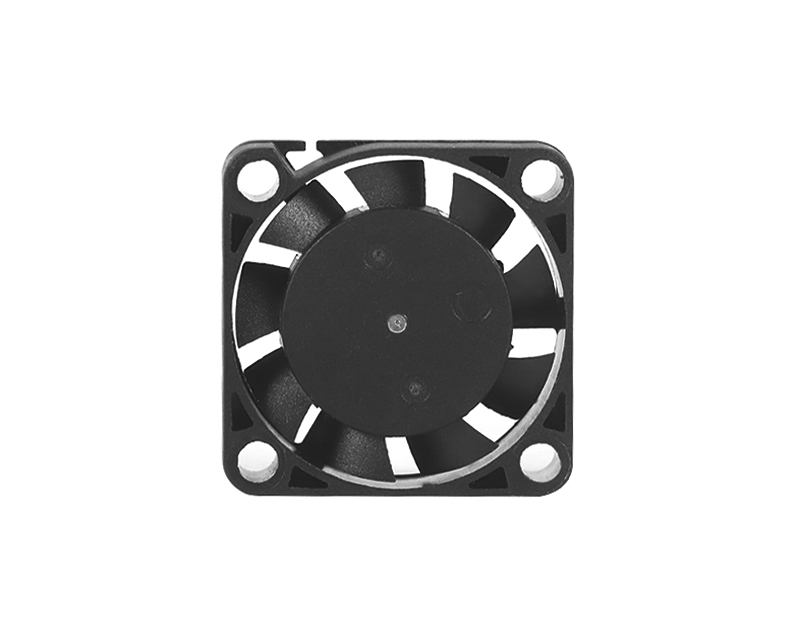
The AC fan for air conditioning outdoor units is specifically designed to meet the unique requirements of outdoor AC systems. Unlike indoor fans, which are designed for comfort and airflow distribution, outdoor AC fans are engineered to withstand harsh outdoor conditions, including extreme temperatures, rain, snow, dust, and UV radiation. They are also designed to work in conjunction with the compressor and condenser coil, providing the necessary airflow to dissipate heat from the refrigerant as it flows through the condenser coil.
One of the key functions of the outdoor AC fan is to draw ambient air over the condenser coil, which is filled with hot refrigerant from the indoor unit. As the air passes over the coil, it absorbs heat from the refrigerant, cooling the refrigerant down and allowing it to condense back into a liquid. The cooled refrigerant is then pumped back to the indoor unit, where it absorbs heat from the indoor air, providing cooling. The AC fan ensures that this heat exchange process is efficient by maintaining a steady flow of air over the condenser coil. If the fan is not working properly, the condenser coil can overheat, causing the refrigerant to remain too hot, which reduces the cooling capacity of the AC system and increases the workload on the compressor.
The design of the AC fan for outdoor AC units is optimized for maximum heat dissipation and durability. The fan blades are typically made from high-quality materials such as aluminum or reinforced plastic, which are resistant to corrosion, UV radiation, and impact. Aluminum blades are particularly popular due to their lightweight nature, excellent heat dissipation properties, and resistance to rust and corrosion. The fan housing is also constructed from robust materials, such as powder-coated steel or aluminum, to protect the internal components from the elements. Additionally, the fan is designed to be weatherproof, with sealed bearings and electrical components that prevent water and dust from entering, ensuring reliable operation in all weather conditions.
The motor of the outdoor AC fan is another critical component, designed to operate efficiently in outdoor environments. Most outdoor AC fans use single-phase or three-phase AC motors, depending on the size of the AC system. The motor is typically a shaded-pole motor or a permanent split capacitor (PSC) motor, which are known for their reliability and efficiency. These motors are designed to operate at a fixed speed, although some modern AC systems may use variable-speed motors that adjust the fan speed based on the cooling demand, further improving energy efficiency. The motor is also equipped with thermal protection, which automatically shuts down the motor if it overheats, preventing damage and ensuring safety.
The size of the AC fan for the outdoor unit is determined by the size of the AC system and the cooling capacity required. For residential AC systems, the fan diameter typically ranges from 120mm to 200mm, while commercial and industrial AC systems may require larger fans with diameters of 200mm or more. The fan size is carefully chosen to ensure that it can deliver the required airflow to dissipate heat from the condenser coil, without consuming excessive energy. A fan that is too small will not provide enough airflow, leading to overheating, while a fan that is too large will consume more energy than necessary, increasing operating costs.
Energy efficiency is a key consideration for outdoor AC fans, as they contribute to the overall energy consumption of the AC system. Modern outdoor AC fans are designed with energy-saving features such as high-efficiency motors and optimized blade designs, which reduce power consumption while maintaining the required airflow. For example, PSC motors are more energy-efficient than shaded-pole motors, and they also offer better performance and longer lifespan. Additionally, variable-speed fans can adjust their speed based on the cooling demand, running at a lower speed when the AC system is not operating at full capacity, which further reduces energy consumption.
Installation of the AC fan for the outdoor AC unit is typically done by a professional HVAC technician, as it requires knowledge of AC systems and electrical wiring. The fan is mounted on the outdoor unit, usually on top or at the side, and connected to the AC system’s electrical circuit. The technician will ensure that the fan is properly aligned with the condenser coil to maximize airflow and heat dissipation. They will also check the wiring and connections to ensure that the fan operates safely and efficiently. Proper installation is crucial to the performance of the AC system, as a misaligned or improperly installed fan can reduce airflow and lead to system malfunctions.
Maintenance of the outdoor AC fan is essential to ensure its long-term reliability and performance. Regular maintenance tasks include cleaning the fan blades and housing to remove dust, dirt, and debris, which can accumulate over time and reduce airflow. It is also important to check the fan motor for wear, such as loose bearings or damaged windings, and to ensure that the motor is properly lubricated (if required). Additionally, the fan’s electrical connections should be inspected regularly to ensure they are tight and free from corrosion. In areas with heavy rainfall or snow, it is important to check the fan for water damage and ensure that the drainage system of the outdoor unit is functioning properly, to prevent water from accumulating around the fan and motor.
Common issues with outdoor AC fans include motor failure, blade damage, and electrical problems. Motor failure can occur due to overheating, wear and tear, or electrical faults, and it typically requires the replacement of the motor. Blade damage can be caused by impact from debris, such as branches or stones, or by corrosion, and it may require the replacement of the blades. Electrical problems, such as loose connections or short circuits, can cause the fan to stop working or operate intermittently, and they should be addressed by a professional technician to avoid safety hazards.
The importance of a properly functioning outdoor AC fan cannot be overstated. A faulty fan can lead to a range of problems, including reduced cooling capacity, increased energy consumption, compressor failure, and costly repairs. For example, if the fan is not working, the condenser coil will overheat, causing the compressor to work harder to cool the refrigerant. This increased workload can lead to compressor failure, which is one of the most expensive components to replace in an AC system. Additionally, a faulty fan can cause the AC system to cycle on and off frequently, which not only reduces comfort but also increases energy costs.
When choosing an AC fan for an air conditioning outdoor unit, there are several factors to consider. First, the fan should be compatible with the size and type of AC system, as different AC systems require different fan sizes and motor specifications. Second, the fan should be made from durable, weather-resistant materials to withstand outdoor conditions. Third, the fan should be energy-efficient, to reduce operating costs. Finally, it is important to choose a reputable manufacturer that offers reliable products and after-sales support, ensuring that any issues with the fan can be resolved quickly.
In addition to standard AC fans, there are also specialized outdoor AC fans available for specific applications. For example, in areas with high temperatures or high humidity, high-performance fans with larger blades and more powerful motors may be required to ensure effective heat dissipation. In coastal areas, corrosion-resistant fans with stainless steel or aluminum components are recommended to withstand saltwater exposure. Additionally, some modern AC systems use EC (Electronically Commutated) fans, which are more energy-efficient and offer variable speed control, further improving the performance and efficiency of the AC system.
In conclusion, the AC fan for the air conditioning outdoor unit is a vital component that plays a critical role in the performance and efficiency of the AC system. It is designed to withstand harsh outdoor conditions, provide efficient heat dissipation, and ensure the smooth operation of the AC system. By choosing a high-quality, energy-efficient fan and performing regular maintenance, homeowners and business owners can ensure that their AC system operates reliably, efficiently, and effectively for many years, providing comfortable indoor temperatures even during the hottest weather.
If you have any suggestions and comments on our products and services, please fill in the following table

No. 18, Liguang New Industrial Zone Liguang Community, Guanlan Sub-district Longhua District, Shenzhen
Copyright 2026 © Shenzhen Yuchuang Industry Co., Ltd. 粤ICP备16089648号




 Chinese
 CN
CN Home >