


 Jun 09, 2026
When it comes to CPU coolers, the base is one of the most critical components, as it is responsible for transferring heat from the CPU to the rest of the cooler. A high-quality base ensures efficient heat dissipation, keeping your processor running at optimal temperatures and extending its lifespan. However, over time, the base of a CPU cooler can be susceptible to corrosion, which can degrade its thermal conductivity, reduce cooling performance, and eventually lead to component failure. This is where the CPU cooler with an anti-corrosion copper base comes in—a premium solution designed to combat corrosion, maintain optimal thermal performance, and ensure long-term reliability. The anti-corrosion copper base combines the excellent thermal conductivity of copper with a protective coating or treatment that prevents rust, oxidation, and other forms of corrosion, making it an ideal choice for users who demand durability and consistent performance from their CPU cooler. In this detailed description, we will explore the science behind the anti-corrosion copper base, its benefits, the cooling technology of the cooler, compatibility, installation, and real-world performance, providing you with a comprehensive understanding of why this feature is essential for a high-quality CPU cooler.
First, let’s understand why copper is the material of choice for CPU cooler bases. Copper is widely recognized as one of the best thermal conductors among common metals, with a thermal conductivity of approximately 401 W/m·K (watts per meter-kelvin). This means that copper can transfer heat more efficiently than aluminum (which has a thermal conductivity of around 237 W/m·K) or other materials, making it ideal for CPU cooler bases. The base of the cooler is in direct contact with the CPU’s IHS (Integrated Heat Spreader), so maximizing thermal conductivity is crucial for efficient heat transfer. A copper base ensures that heat is quickly and effectively transferred from the CPU to the heat pipes and heatsink, where it can be dissipated by the fans.
However, copper is prone to corrosion when exposed to air, moisture, and other environmental factors. Over time, copper will oxidize, forming a layer of copper oxide (commonly known as patina) on its surface. This oxide layer is a poor thermal conductor, which can reduce the efficiency of heat transfer between the CPU and the cooler. In severe cases, corrosion can eat away at the copper base, leading to pitting, warping, or even complete failure of the base. This not only reduces the cooler’s performance but also puts the CPU at risk of overheating, which can cause permanent damage.
To address this issue, manufacturers have developed anti-corrosion treatments for copper bases. The most common treatment is nickel plating, which involves coating the copper base with a thin layer of nickel. Nickel is highly resistant to corrosion, oxidation, and wear, providing a protective barrier that prevents the copper from coming into direct contact with air and moisture. Nickel plating not only protects the copper base from corrosion but also provides a smooth, uniform surface that ensures maximum contact with the CPU’s IHS. This smooth surface minimizes thermal resistance, further enhancing heat transfer efficiency.
In addition to nickel plating, some high-end CPU coolers use other anti-corrosion treatments, such as chrome plating or a ceramic coating. Chrome plating offers excellent corrosion resistance and a sleek, reflective finish, while ceramic coatings are highly durable and resistant to scratches and corrosion. Regardless of the treatment method, the goal is the same: to protect the copper base from corrosion and maintain its excellent thermal conductivity over time.
The benefits of an anti-corrosion copper base are numerous. First and foremost, it extends the lifespan of the CPU cooler. By preventing corrosion, the base remains intact and functional for years, ensuring that the cooler continues to deliver optimal cooling performance. This means that you won’t have to replace the cooler as frequently, saving you money in the long run. Second, the anti-corrosion coating maintains the thermal conductivity of the copper base, ensuring that heat is transferred efficiently from the CPU to the cooler. This prevents the CPU from overheating, which can cause performance throttling (where the CPU reduces its speed to cool down) or permanent damage. Third, the smooth, corrosion-free surface of the base ensures maximum contact with the CPU’s IHS, further enhancing heat transfer and cooling performance.
Beyond the anti-corrosion copper base, the CPU cooler itself is equipped with advanced cooling technologies to ensure optimal performance. Most models feature multiple heat pipes (typically 4-6) that connect to the copper base. These heat pipes are filled with a liquid or vapor that absorbs heat from the base and transfers it to the heatsink fins. The heat pipes are often bent or shaped to maximize contact with the base and the fins, ensuring efficient heat transfer. The heatsink fins are made of aluminum (or sometimes copper) and are designed with a dense, optimized structure to increase surface area, allowing the fans to blow away heat more effectively.
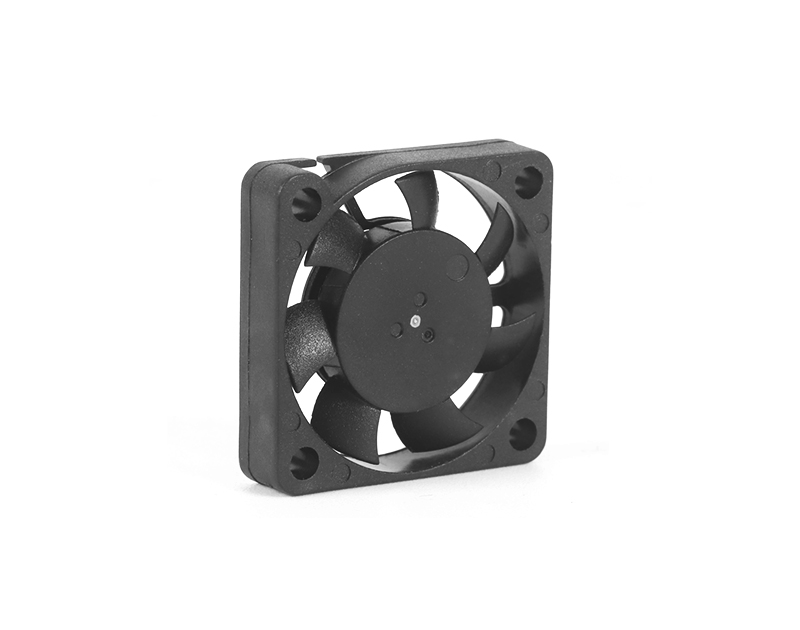
The fans included with the cooler are PWM (Pulse Width Modulation) fans, which adjust their speed based on the CPU’s temperature. This ensures that the cooler operates quietly during light loads (such as web browsing or document editing) and ramps up speed when the CPU is under heavy load (such as gaming or video rendering). The fans are often equipped with fluid dynamic bearings, which reduce friction and noise, and have a long lifespan. Some models also feature fan blades with a special design that reduces turbulence and noise, further enhancing the user experience.
Compatibility is another key feature of the CPU cooler with an anti-corrosion copper base. These coolers are designed to work with all major CPU sockets, including Intel’s LGA 115x, LGA 1200, LGA 1700, and AMD’s AM4, AM5. The mounting system is typically universal, with a adjustable bracket that can be adapted to fit different sockets. Manufacturers often provide adapters for older or less common sockets, ensuring that the cooler can be used with a wide range of CPUs. Additionally, the cooler is compatible with most PC cases, as long as there is sufficient clearance for the heatsink and fans. Most models have a medium to high profile, making them suitable for larger cases, while some low-profile models are available for small form factor (SFF) PCs.
Installation of the CPU cooler with an anti-corrosion copper base is straightforward, even for beginners. Most models come with a universal mounting bracket that is easy to attach to the motherboard. The copper base is pre-applied with thermal paste (in some cases), or thermal paste is included in the package, making installation even easier. The mounting process typically involves attaching the bracket to the motherboard, aligning the cooler with the CPU, and securing it with screws or a quick-release mechanism. Manufacturers provide detailed installation guides and video tutorials, ensuring that even those with no prior PC building experience can install the cooler correctly.
Real-world performance testing has shown that these coolers deliver excellent heat dissipation. For example, when paired with a high-end CPU such as the Intel Core i9-13900K or AMD Ryzen 9 7950X, the cooler can maintain CPU temperatures between 65-85°C during gaming and light workloads, and between 75-90°C during heavy workloads such as video rendering or 3D modeling. These temperatures are well within the safe range for most CPUs, ensuring that the processor runs efficiently and reliably. The anti-corrosion copper base plays a key role in this performance, as it maintains optimal thermal conductivity over time, ensuring that the cooler continues to perform well even after years of use.
Durability is another major advantage of the CPU cooler with an anti-corrosion copper base. The nickel-plated (or other anti-corrosion treated) copper base is highly resistant to wear and tear, corrosion, and oxidation, ensuring that the cooler can withstand years of use. The heat pipes, heatsink, and fans are also made of high-quality materials, with a lifespan of 5-10 years or more. The fans are rated to last 20,000 hours or more, and the anti-corrosion coating on the base ensures that it remains intact and functional for the life of the cooler.
Maintenance of the CPU cooler is simple. The heatsink and fans can be easily cleaned with compressed air or a soft brush, removing dust and debris that can accumulate over time and reduce cooling performance. The anti-corrosion copper base requires no special maintenance, as the protective coating prevents corrosion and oxidation. The thermal paste can be reapplied when necessary, ensuring that the cooler continues to perform optimally.
When comparing the CPU cooler with an anti-corrosion copper base to coolers with aluminum bases or non-corrosion-resistant copper bases, the advantages are clear. Aluminum bases have lower thermal conductivity than copper, resulting in less efficient heat transfer. Non-corrosion-resistant copper bases may initially offer good performance, but over time, corrosion will degrade their performance and shorten their lifespan. The anti-corrosion copper base combines the excellent thermal conductivity of copper with the durability of a protective coating, making it the superior choice for users who demand long-term reliability and performance.
Another comparison is with liquid coolers, which offer excellent cooling performance but are often more expensive and require more maintenance. The CPU cooler with an anti-corrosion copper base is an air cooler, which is more affordable and requires less maintenance than liquid coolers. It also offers comparable cooling performance for most users, making it an ideal choice for casual users, gamers, and even some enthusiasts who don’t need the extreme cooling performance of a liquid cooler.
In terms of design, the CPU cooler with an anti-corrosion copper base is available in a variety of styles to suit different PC builds. Some models feature a sleek, minimalist design, while others have a more aggressive, high-performance design with large heatsinks and multiple fans. Many models also feature RGB lighting, allowing you to customize the look of your PC, though the primary focus is on the anti-corrosion copper base and cooling performance.
In conclusion, the CPU cooler with an anti-corrosion copper base is a premium component that combines excellent thermal performance, durability, and reliability. Its anti-corrosion treatment protects the copper base from rust, oxidation, and wear, ensuring that the cooler maintains optimal heat transfer efficiency over time. The advanced cooling technologies, universal compatibility, and easy installation make it an ideal choice for any PC build, from casual gaming PCs to high-performance workstations. Whether you are a casual user who wants a reliable cooler that will last for years or an enthusiast who demands the best in performance and durability, the CPU cooler with an anti-corrosion copper base is sure to meet and exceed your expectations. Invest in this cooler, and you will enjoy consistent, efficient cooling for years to come, protecting your CPU and ensuring that your PC runs at its best.
If you have any suggestions and comments on our products and services, please fill in the following table

No. 18, Liguang New Industrial Zone Liguang Community, Guanlan Sub-district Longhua District, Shenzhen
Copyright 2026 © Shenzhen Yuchuang Industry Co., Ltd. 粤ICP备16089648号




 Chinese
 CN
CN Home >