


 Jun 05, 2026
For high-performance PC builds—such as gaming rigs, workstations, and overclocked systems—standard air coolers often struggle to keep up with the heat generated by powerful CPUs. In these cases, liquid cooling systems have become the gold standard, offering superior cooling performance, quieter operation, and a sleek aesthetic. Among liquid cooling solutions, 360mm large radiators stand out as the most popular choice for enthusiasts and power users, providing ample surface area for heat dissipation and the ability to cool even the most power-hungry CPUs. A CPU cooler with a 360mm liquid cooling radiator combines the efficiency of liquid heat transfer with the large surface area of a 360mm radiator, delivering exceptional cooling performance that ensures stable, high-performance operation even under the most demanding conditions.
To understand the benefits of a 360mm liquid cooling radiator, it is first essential to grasp the basics of liquid cooling technology. Unlike air coolers, which use heatsinks and fans to transfer heat directly to the air, liquid cooling systems use a liquid coolant (typically a mixture of water and glycol) to absorb heat from the CPU, then circulate the heated coolant to a radiator, where the heat is dissipated into the air. The key advantage of liquid cooling is that liquid has a much higher heat capacity than air, meaning it can absorb more heat without a significant increase in temperature. This allows liquid cooling systems to transfer heat more efficiently than air coolers, making them ideal for high-TDP CPUs and overclocked systems.
The radiator is the heart of a liquid cooling system, responsible for dissipating the heat absorbed by the coolant. The size of the radiator directly impacts its cooling performance: larger radiators have more surface area, allowing for more efficient heat exchange between the coolant and the air. A 360mm radiator is named for its length—360 millimeters—and typically accommodates three 120mm fans (or a single 360mm fan in some designs). This large surface area sets it apart from smaller radiators (such as 120mm or 240mm), making it capable of dissipating significantly more heat. For example, a 360mm radiator can dissipate up to 400W of heat, making it suitable for high-end CPUs like Intel’s Core i9-14900K or AMD’s Ryzen 9 7950X, which generate substantial heat during heavy load.
The design of a 360mm liquid cooling radiator is optimized for maximum heat dissipation. Most 360mm radiators are made of aluminum (or occasionally copper) and feature a dense array of thin fins that increase the surface area available for heat exchange. The coolant flows through a series of tubes inside the radiator, and heat is transferred from the coolant to the fins, then to the air blown across the fins by the fans. The fins are typically spaced closely together to maximize surface area, but not so close that they restrict airflow. Additionally, many 360mm radiators feature a thick design (e.g., 38mm) to accommodate more fins and tubes, further enhancing heat dissipation. For example, the ENERMAX LIQMAXFLO Series 360mm liquid CPU cooler features a 38mm thick radiator tailored for enhanced cooling, with a dual-chamber pump and patented shunt-channel technology that increases coolant flow rate by up to 20% and reduces thermal output by 4°C for every 100-watt load.
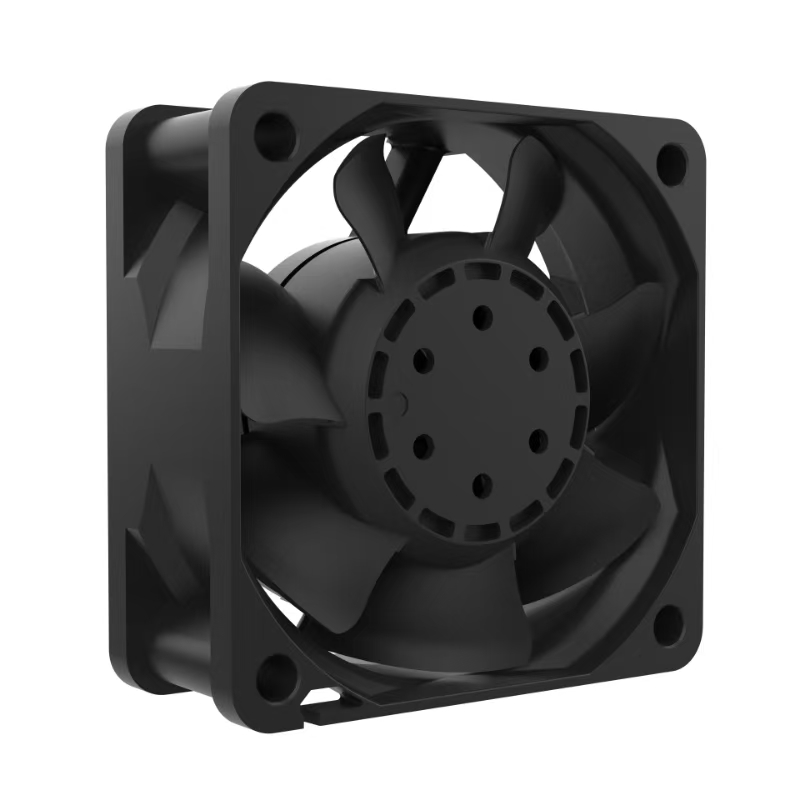
The fans used with 360mm radiators are another critical component of the cooling system. Most 360mm liquid coolers come with three 120mm PWM fans, which offer a balance of airflow and noise. PWM fans allow for automatic speed control, adjusting their speed based on CPU temperature to balance cooling performance and noise levels. When the CPU is idle, the fans run at a low speed, generating minimal noise; when the CPU is under heavy load, the fans speed up to move more air across the radiator, ensuring efficient heat dissipation. Many 360mm liquid coolers feature high-performance silent fans, such as the ENERMAX LIQMAXFLO’s silent flow fans, which can cool up to 400W of heat with noise levels comparable to a library’s quiet environment. Additionally, some fans feature RGB lighting, allowing users to customize the aesthetic of their PC build.
Another key component of a 360mm liquid cooling system is the pump. The pump is responsible for circulating the coolant through the system, ensuring that heated coolant is quickly moved to the radiator and cooled coolant is returned to the CPU water block. Modern 360mm liquid coolers feature advanced pumps with high flow rates and low noise levels. For example, the ENERMAX LIQMAXFLO Series uses an advanced dual-chamber xtreme pump with patented SCT (Shunt-Channel Technology), which increases the overall pump pressure by up to 30% and the coolant flow rate by up to 20%. This ensures that the coolant circulates efficiently, maximizing heat transfer and cooling performance. Some pumps also feature a magnetic and rotatable cover, allowing users to customize the orientation of the logo for a more personalized look.
The water block is another essential component of a 360mm liquid cooling system. The water block is mounted directly on the CPU, and its base is in contact with the CPU’s IHS. The water block is designed to maximize the contact area between the coolant and the CPU, ensuring that heat is efficiently absorbed by the coolant. Most water blocks feature a copper base (for high thermal conductivity) and a series of micro-channels that guide the coolant over the surface of the base, increasing heat transfer. Some water blocks also feature RGB lighting, syncing with the fans to create a cohesive aesthetic.
One of the most significant benefits of a 360mm liquid cooling radiator is its superior cooling performance. Compared to air coolers and smaller liquid cooling radiators, a 360mm radiator can dissipate more heat, allowing high-end CPUs to run at full speed without thermal throttling. This is particularly important for overclockers, who push their CPUs beyond their stock clock speeds to achieve higher performance. Overclocking increases the CPU’s heat output, and a 360mm liquid cooling system can handle this additional heat, ensuring stable operation. For example, when overclocking an Intel Core i9-14900K, a 360mm liquid cooler can keep the CPU temperature below 80°C even under full load, while an air cooler might struggle to keep the temperature below 90°C, leading to thermal throttling.
Another benefit of 360mm liquid cooling radiators is their quiet operation. Liquid cooling systems separate the heat dissipation process from the CPU: the pump and water block are near the CPU, but the radiator and fans are typically mounted at the front, top, or rear of the case, away from the user. Additionally, the large surface area of the 360mm radiator allows the fans to run at lower speeds to achieve the same cooling performance as smaller radiators, resulting in less noise. For example, a 360mm liquid cooler with three 120mm fans running at 1500 RPM can provide the same cooling performance as a 240mm liquid cooler with two 120mm fans running at 2000 RPM, but with significantly less noise. This makes 360mm liquid cooling systems ideal for users who prioritize a quiet PC build without sacrificing performance.
Aesthetic appeal is another reason why 360mm liquid cooling radiators are popular among PC enthusiasts. Liquid cooling systems have a sleek, modern look that adds a premium feel to any PC build. The 360mm radiator, with its three fans and clean design, becomes a focal point of the case, especially when paired with RGB lighting. Many 360mm liquid coolers feature addressable RGB lighting on the pump and fans, which can be synchronized with other RGB components (such as RAM, motherboards, and case fans) using software, allowing users to create stunning lighting setups that match their personal style. For example, the GAMEMAX Iceburg 360 Digital BK features customizable ARGB effects, transforming the PC into a showcase of dynamic lighting.
Despite their many benefits, 360mm liquid cooling radiators do have some considerations. First, they require more space in the PC case than air coolers or smaller liquid coolers. A 360mm radiator is 360mm long, so the case must have a dedicated mounting area for a 360mm radiator (typically at the front, top, or rear). Most mid-tower and full-tower cases support 360mm radiators, but smaller cases (such as Mini-ITX cases) may not have enough space. Second, 360mm liquid cooling systems are more expensive than air coolers and smaller liquid coolers, making them a better choice for users who need the extra cooling performance and are willing to invest in a premium solution. Third, while modern liquid cooling systems are reliable, they require some maintenance (e.g., checking for leaks, refilling coolant in custom loops) to ensure optimal performance. However, most all-in-one (AIO) 360mm liquid coolers are pre-filled and sealed, eliminating the need for complex maintenance.
When selecting a 360mm liquid cooling radiator, there are several factors to consider. First, the radiator’s thickness and fin density: thicker radiators with denser fins offer better cooling performance but may be larger and require more space in the case. Second, the pump’s flow rate and noise level: a high-flow pump ensures efficient coolant circulation, while a low-noise pump enhances the user experience. Third, the fans’ airflow and noise level: look for PWM fans with high airflow and low noise ratings. Fourth, compatibility with the CPU socket and case: ensure that the water block is compatible with the CPU socket and that the case can accommodate a 360mm radiator. Fifth, the build quality and warranty: look for a reputable brand with a good warranty, as liquid cooling systems are an investment. Finally, aesthetic features: consider whether you want RGB lighting and a customizable design.
360mm liquid cooling radiators are ideal for a wide range of high-performance PC builds, including gaming rigs, content creation workstations, and overclocked systems. For gamers, a 360mm liquid cooler ensures that the CPU remains cool during long gaming sessions, preventing thermal throttling and ensuring smooth gameplay. For content creators, who use CPU-intensive applications like video editing, 3D rendering, and animation, a 360mm liquid cooler provides the necessary cooling to keep the CPU running at full speed, reducing rendering times and improving productivity. For overclockers, a 360mm liquid cooler is essential to handle the increased heat output of overclocked CPUs, allowing them to achieve higher clock speeds and better performance.
In conclusion, a CPU cooler with a 360mm liquid cooling radiator is the ultimate cooling solution for high-performance PC builds. Combining the efficiency of liquid heat transfer with the large surface area of a 360mm radiator, these cooling systems deliver exceptional cooling performance, quiet operation, and a sleek aesthetic. Whether you are a gamer, content creator, or overclocker, a 360mm liquid cooling radiator ensures that your CPU remains within its safe operating temperature range, maximizing performance, stability, and longevity. While they require more space and a higher investment than other cooling solutions, the benefits they offer make them a worthwhile choice for anyone looking to build a powerful, reliable PC.
If you have any suggestions and comments on our products and services, please fill in the following table

No. 18, Liguang New Industrial Zone Liguang Community, Guanlan Sub-district Longhua District, Shenzhen
Copyright 2026 © Shenzhen Yuchuang Industry Co., Ltd. 粤ICP备16089648号




 Chinese
 CN
CN Home >