


 Apr 10, 2026
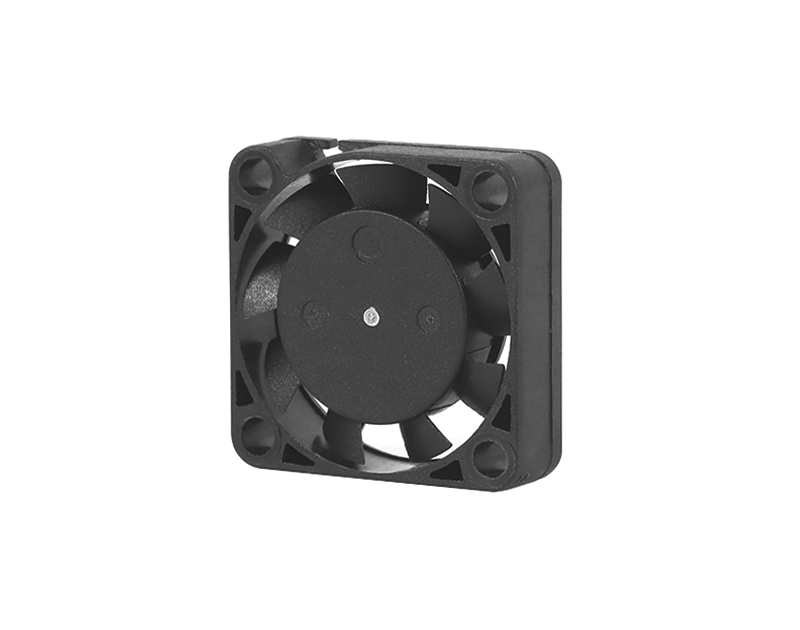
DC axial fans play a critical role in automotive air circulation systems, contributing to passenger comfort, vehicle performance, and component reliability. The automotive air circulation system is responsible for maintaining a comfortable interior temperature, providing fresh air, and removing stale air, and DC axial fans are the primary components that drive airflow throughout this system. Unlike AC fans, DC axial fans are well-suited for automotive applications due to their low power consumption, compact size, variable speed control, and compatibility with the vehicle’s 12V or 24V DC electrical system. From passenger compartment ventilation to battery cooling in electric vehicles (EVs), DC axial fans are integral to the operation of modern automotive air circulation systems, ensuring a safe and comfortable driving experience.
To understand the role of DC axial fans in automotive air circulation, it is first necessary to examine the components and functions of the automotive air circulation system. The system typically consists of an air intake, air filter, blower fan (DC axial fan), evaporator (for air conditioning), heater core (for heating), air ducts, and vents. The DC axial fan is responsible for drawing fresh air from the outside (or recirculating air from the interior) through the air filter, pushing it through the evaporator or heater core, and distributing it to the passenger compartment via the air ducts and vents. This process ensures that the interior temperature is maintained at the desired level, and the air is kept clean and fresh.
One of the primary applications of DC axial fans in automotive air circulation is the cabin blower fan. This fan is located in the vehicle’s dashboard or under the hood, depending on the vehicle design, and is responsible for providing airflow to the passenger compartment. The cabin blower fan is typically a small to medium-sized DC axial fan (ranging from 60mm to 120mm in diameter) that operates at variable speeds, controlled by the vehicle’s climate control system. The driver or passenger can adjust the fan speed to control the airflow rate, ensuring optimal comfort. For example, in hot weather, the fan speed can be increased to deliver more cool air from the air conditioning system, while in cold weather, the fan speed can be adjusted to distribute warm air from the heater core.
The DC axial fan’s variable speed control is a key feature for automotive air circulation, as it allows for precise control of airflow and energy efficiency. Most modern vehicles use pulse-width modulation (PWM) control to adjust the fan speed, which varies the duty cycle of the DC power supply to the fan. This method is more efficient than voltage control, as it reduces power consumption at lower speeds and provides smoother speed adjustments. Additionally, PWM control allows the fan to operate at very low speeds, which is useful for maintaining a constant interior temperature without creating excessive noise.
Another important application of DC axial fans in automotive air circulation is the ventilation of the vehicle’s battery pack in electric vehicles (EVs) and hybrid electric vehicles (HEVs). EV and HEV batteries generate significant amounts of heat during charging and operation, and effective thermal management is critical to ensure battery performance, lifespan, and safety. DC axial fans are used to circulate air around the battery pack, dissipating heat and maintaining the battery within its optimal operating temperature range (typically 20-40°C). These fans are often larger than cabin blower fans (100mm to 150mm in diameter) and are designed to operate continuously during battery charging and driving, with variable speed control to adjust to the battery’s heat load.
In addition to cabin ventilation and battery cooling, DC axial fans are also used in other automotive air circulation applications, such as cooling the vehicle’s alternator, power steering system, and electronic control units (ECUs). The alternator generates heat during operation, and a DC axial fan can be used to blow cool air over the alternator, preventing overheating and extending its lifespan. Similarly, the power steering system and ECUs generate heat, and DC axial fans help maintain their operating temperature, ensuring reliable performance.
The design of DC axial fans for automotive air circulation is optimized for the harsh operating conditions of the automotive environment. Vehicles are exposed to extreme temperatures (ranging from -40°C to 85°C), vibration, dust, moisture, and electromagnetic interference (EMI), so the fans must be durable and reliable. The fan’s frame and impeller are typically made of high-quality materials, such as heat-resistant plastic (ABS or PC) or aluminum, which can withstand extreme temperatures and vibration. The bearing system is also critical, with ball bearings or sealed sleeve bearings used to ensure smooth operation and long lifespan. Ball bearings are preferred for high-temperature and high-vibration applications, as they offer better durability than sleeve bearings.
Noise reduction is another important consideration for DC axial fans in automotive air circulation, as excessive noise can reduce passenger comfort. The cabin blower fan, in particular, must operate quietly, especially at low speeds. Manufacturers optimize the fan’s impeller design, blade shape, and housing structure to minimize aerodynamic noise. The impeller blades are often designed with a curved profile to reduce turbulence, and the housing is engineered to dampen vibrations and redirect airflow smoothly. Additionally, the fan’s motor is designed to operate quietly, with minimal electromagnetic noise.
Energy efficiency is a key factor in the design of DC axial fans for automotive air circulation, especially in EVs and HEVs, where battery life is critical. DC axial fans are more energy-efficient than AC fans, consuming less power while delivering the same or higher airflow rates. This reduces the load on the vehicle’s electrical system and, in EVs, extends the vehicle’s range. Additionally, variable speed control allows the fan to operate at lower speeds when less airflow is needed, further reducing energy consumption.
Regulatory compliance is another important aspect of DC axial fans for automotive air circulation. Automotive components must meet strict standards for safety, reliability, and performance, such as those set by the International Organization for Standardization (ISO), the Society of Automotive Engineers (SAE), and regional regulatory bodies (e.g., the Environmental Protection Agency (EPA) in the United States, the European Automobile Manufacturers Association (ACEA) in Europe). These standards cover aspects such as temperature resistance, vibration resistance, noise levels, and electromagnetic compatibility (EMC). Manufacturers must test their fans to ensure they meet these standards, ensuring safe and reliable operation in vehicles.
The selection of a DC axial fan for automotive air circulation depends on several key factors, including the required airflow rate, static pressure, power consumption, noise level, size, and operating temperature range. The airflow rate and static pressure must be sufficient to provide effective ventilation or cooling, while the power consumption should be as low as possible to minimize the load on the vehicle’s electrical system. The noise level is important for passenger comfort, especially for cabin blower fans. The size of the fan must be compatible with the vehicle’s design, and the operating temperature range must match the environment in which the fan will be used (e.g., under the hood vs. in the cabin).
In recent years, there has been a growing trend towards the integration of smart technology in DC axial fans for automotive air circulation. Many modern fans feature built-in sensors that monitor the fan’s speed, temperature, and performance, providing real-time data to the vehicle’s control system. This data can be used to optimize airflow, detect fan failures, and enable predictive maintenance. For example, if a fan’s speed decreases or its temperature rises above a threshold, the vehicle’s control system can alert the driver or automatically adjust the fan’s speed or switch to a redundant fan. This not only improves the reliability of the air circulation system but also reduces maintenance costs and downtime.
Another trend is the development of more efficient and compact DC axial fans for EVs and HEVs. As EV technology advances, the demand for high-performance, low-power cooling solutions for battery packs and other components is growing. Manufacturers are developing miniaturized DC axial fans with high airflow efficiency and low power consumption, making them ideal for compact EV designs. Additionally, the use of brushless DC (BLDC) motors in these fans further improves energy efficiency and reduces noise, making them well-suited for EV applications.
Maintenance is also an important consideration for DC axial fans in automotive air circulation. While these fans are designed to be durable, regular maintenance is still required to ensure optimal performance. This includes cleaning the fan’s impeller and housing to remove dust and debris, checking the bearing system for wear, and inspecting the electrical connections for damage. In vehicles, the cabin blower fan may require periodic cleaning to prevent dust buildup, which can reduce airflow and increase noise. The battery cooling fan in EVs may also require maintenance to ensure it is free from debris and operating correctly.
In conclusion, DC axial fans are essential components in automotive air circulation systems, providing reliable, efficient, and quiet airflow for passenger comfort and component cooling. Their compact size, variable speed control, energy efficiency, and durability make them well-suited to the harsh operating conditions of the automotive environment. From cabin ventilation to battery cooling in EVs, DC axial fans play a vital role in ensuring a safe and comfortable driving experience. As automotive technology continues to advance, the demand for high-performance DC axial fans will grow, driving innovation in fan design, smart technology integration, and energy efficiency. Whether in traditional internal combustion engine vehicles or modern EVs, DC axial fans will remain a key component in automotive air circulation
If you have any suggestions and comments on our products and services, please fill in the following table

No. 18, Liguang New Industrial Zone Liguang Community, Guanlan Sub-district Longhua District, Shenzhen
Copyright 2026 © Shenzhen Yuchuang Industry Co., Ltd. 粤ICP备16089648号




 Chinese
 CN
CN Home >