


 Apr 15, 2026
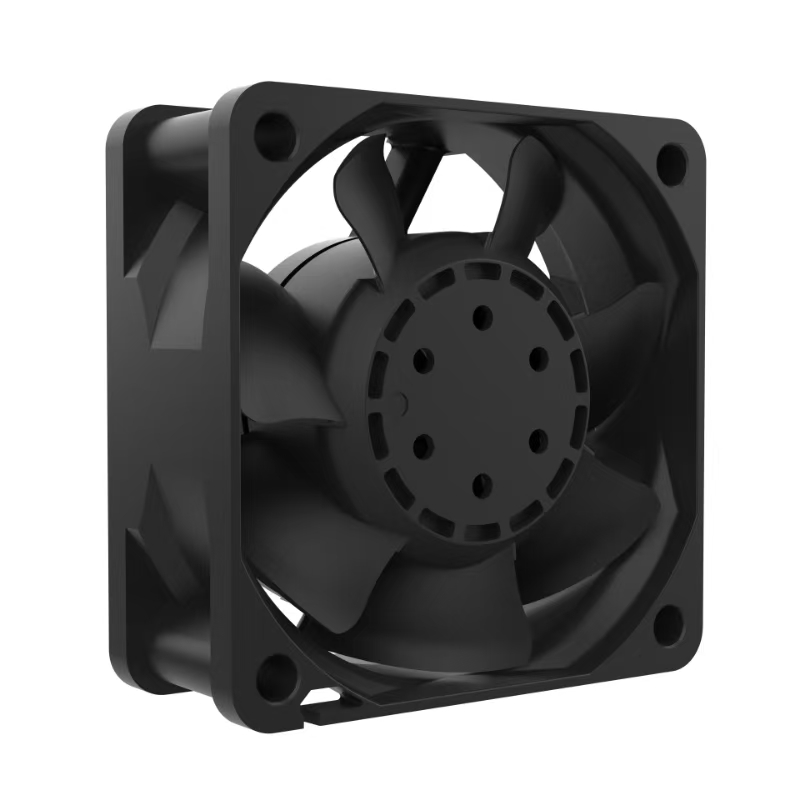
In many industrial, automotive, and aerospace applications, cooling fans are required to operate in high-temperature environments, where traditional fans with plastic frames or non-high-temperature-resistant components would quickly fail. For example, in industrial ovens, automotive engine bays, power generation equipment, and aerospace systems, temperatures can reach 100°C or higher, placing severe demands on the durability and performance of cooling fans. The DC axial fan with metal frame high temperature resistant is specifically designed to meet these challenging requirements, featuring a robust metal frame and high-temperature-resistant components that allow it to operate reliably in extreme heat conditions, while providing efficient airflow for effective cooling.
The metal frame is one of the key features that distinguish this type of DC axial fan from standard fans. Unlike plastic frames, which can soften, deform, or melt at high temperatures (typically above 80°C), metal frames—usually made of aluminum, steel, or stainless steel—have excellent high-temperature resistance, able to withstand temperatures up to 150°C, 200°C, or even higher, depending on the material and design. Aluminum frames are commonly used for their lightweight properties and good thermal conductivity, which helps to dissipate heat from the fan motor and improve overall fan performance. Steel frames are used for applications that require higher strength and durability, such as heavy industrial equipment, while stainless steel frames are ideal for corrosive high-temperature environments, such as chemical processing plants or marine applications.
In addition to the metal frame, the other components of the DC axial fan with metal frame high temperature resistant are also designed to withstand high temperatures. The fan blades, for example, are made of high-temperature-resistant materials such as heat-resistant plastic (e.g., PPS, PEI, or LCP), aluminum, or stainless steel. PPS (Polyphenylene Sulfide) is a popular choice for fan blades due to its excellent heat resistance (able to withstand temperatures up to 200°C), chemical resistance, and mechanical strength. Aluminum blades are also used for their high thermal conductivity and durability, while stainless steel blades are used in applications where corrosion resistance is a priority. The fan motor is another critical component—high-temperature-resistant motors are used, with windings made of heat-resistant wire (such as Kapton or Teflon-insulated wire) that can withstand high temperatures without insulation breakdown. The bearings of the fan are also high-temperature-resistant, typically using ceramic bearings or high-temperature grease that can operate reliably at elevated temperatures, reducing friction and extending the fan’s service life.
The high-temperature resistance of these fans is not only limited to the materials used but also extends to the design of the fan. The fan housing and airflow channels are designed to minimize heat buildup, allowing hot air to be efficiently expelled and cool air to be drawn in. The motor is often mounted in a way that maximizes heat dissipation, such as using a heat sink or cooling fins integrated into the metal frame. Additionally, the fan’s electronic components (such as the driver for BLDC motors) are encapsulated in high-temperature-resistant materials to protect them from the surrounding heat, ensuring that they operate reliably even in extreme conditions.
DC axial fans with metal frame high temperature resistant are available in a range of sizes and specifications to meet the diverse needs of high-temperature applications. The fan size is typically specified by the diameter of the fan blade, ranging from 40mm to 250mm or larger. Smaller fans (40mm to 80mm) are used in compact high-temperature equipment, such as automotive electronic components or small industrial sensors, while larger fans (120mm to 250mm) are used in larger equipment, such as industrial ovens, power transformers, or aerospace cooling systems. The airflow rate of these fans ranges from 30 CFM to 500 CFM or more, depending on the size and speed of the fan. The static pressure is also optimized to overcome the airflow resistance of high-temperature equipment, such as heat sinks, ducts, or insulation materials, ensuring that cool air reaches all parts of the equipment and dissipates heat effectively.
Brushless DC (BLDC) technology is commonly used in DC axial fans with metal frame high temperature resistant, as it offers several advantages over brushed DC motors in high-temperature environments. BLDC motors have no mechanical brushes, which eliminates the friction and wear associated with brushes, reducing the risk of motor failure at high temperatures. Additionally, BLDC motors are more efficient than brushed DC motors, generating less heat during operation, which helps to reduce the overall heat load on the fan and the equipment it is cooling. BLDC motors also offer precise speed control via PWM signals, allowing the fan speed to be adjusted based on the temperature of the equipment, ensuring optimal cooling performance while saving energy.
The applications of DC axial fans with metal frame high temperature resistant are wide-ranging, covering industrial, automotive, aerospace, and other high-temperature environments. In industrial settings, these fans are used in industrial ovens, furnaces, power transformers, rectifiers, and welding equipment. For example, in an industrial oven, the fan is used to circulate hot air inside the oven, ensuring uniform heating of the product, while also cooling the oven’s control system and electrical components. In automotive applications, these fans are used in engine bays, where temperatures can reach 150°C or higher, to cool the engine, transmission, and electronic control units (ECUs). They are also used in electric vehicles to cool the battery pack and power electronics, which generate significant heat during charging and operation.
In aerospace applications, DC axial fans with metal frame high temperature resistant are used in aircraft engines, avionics systems, and cabin cooling systems. The extreme temperatures and harsh conditions of aerospace environments require fans that are not only high-temperature resistant but also lightweight, durable, and reliable. These fans help to cool critical components such as engine sensors, avionics equipment, and cabin air conditioning systems, ensuring the safe and reliable operation of the aircraft.
Another important application is in renewable energy systems, such as solar inverters and wind turbine generators. These systems often operate in outdoor environments, where temperatures can vary widely, and the components generate significant heat during operation. A DC axial fan with metal frame high temperature resistant can withstand the high temperatures generated by the inverter or generator, ensuring effective cooling and reliable operation.
When selecting a DC axial fan with metal frame high temperature resistant, several key factors must be considered. The first is the maximum operating temperature of the fan—ensure that the fan can withstand the highest temperature in the application environment. The second is the material of the frame and components—aluminum is suitable for most high-temperature applications, while steel or stainless steel may be required for applications that need higher strength or corrosion resistance. The third is the airflow and static pressure—select a fan that provides sufficient airflow to meet the cooling requirements of the equipment. The fourth is the motor type—BLDC motors are recommended for high-temperature applications due to their durability and efficiency. Finally, consider the fan’s IP rating—many high-temperature applications also involve dust, moisture, or corrosive substances, so a fan with a high IP rating (such as IP65 or IP67) is essential to ensure reliable operation.
Maintenance is also an important consideration for DC axial fans with metal frame high temperature resistant. In high-temperature environments, dust and debris can accumulate on the fan blades and heat sink, reducing airflow and cooling performance. Regular cleaning of the fan blades and heat sink is necessary to ensure optimal performance. Additionally, checking the bearings and motor for wear and tear is important, as high temperatures can accelerate the aging of these components. Many manufacturers offer maintenance-free fans with sealed bearings, which reduce the need for regular maintenance and extend the fan’s service life.
In summary, the DC axial fan with metal frame high temperature resistant is a specialized cooling solution designed to operate reliably in extreme heat conditions. Its robust metal frame, high-temperature-resistant components, and optimized design make it ideal for a wide range of industrial, automotive, aerospace, and renewable energy applications. By providing efficient airflow and durable performance in high-temperature environments, these fans help to ensure the safe, reliable, and long-term operation of critical equipment. As technology advances and the demand for high-temperature cooling solutions grows, the design and performance of DC axial fans with metal frame high temperature resistant will continue to improve, meeting the ever-increasing demands of modern high-temperature applications.
If you have any suggestions and comments on our products and services, please fill in the following table

No. 18, Liguang New Industrial Zone Liguang Community, Guanlan Sub-district Longhua District, Shenzhen
Copyright 2026 © Shenzhen Yuchuang Industry Co., Ltd. 粤ICP备16089648号




 Chinese
 CN
CN Home >