


 Mar 25, 2026
For enthusiasts, gamers, and professionals who demand maximum performance from their CPUs, the Tower CPU Cooler stands as the gold standard in air cooling technology. With its tall, vertical design and advanced thermal engineering, tower coolers are capable of dissipating large amounts of heat generated by high-performance CPUs, making them ideal for overclocking, CPU-intensive tasks, and systems that require long-term stable operation. Unlike low-profile coolers or stock coolers that come with CPUs, tower coolers offer superior cooling performance, quiet operation, and durability, making them a popular choice for high-end gaming PCs, workstations, and custom-built systems.
The distinctive design of a Tower CPU Cooler is what sets it apart from other cooling solutions. A typical tower cooler consists of a tall, rectangular heat sink (the “tower”) with a large number of fins, several heat pipes that connect the heat sink to a copper or aluminum base plate, and one or more fans mounted on the side of the tower. The vertical orientation of the tower allows for better airflow, as the hot air rises naturally through the fins, aided by the fans. This design also keeps the heat sink away from the CPU socket and other motherboard components, reducing the risk of interference and improving cable management. The large surface area of the fins (often several hundred square centimeters) provides ample space for heat dissipation, allowing the cooler to handle the high heat loads generated by modern CPUs, which can exceed 150 watts in some cases.
Thermal performance is the primary advantage of Tower CPU Coolers. The combination of high-quality materials and advanced design features ensures that these coolers can keep even the most powerful CPUs running at safe temperatures. The base plate of a tower cooler is typically made of copper, which has excellent thermal conductivity and makes direct contact with the CPU’s integrated heat spreader (IHS), ensuring efficient heat transfer. The heat pipes (usually 4-8 in number, depending on the model) are embedded in the base plate and run vertically through the heat sink fins. These heat pipes are filled with a liquid or gas that absorbs heat from the base plate, vaporizes, and rises to the top of the heat sink, where it condenses and releases the heat to the fins. The condensed liquid then flows back down to the base plate through capillary action, creating a continuous heat transfer cycle.
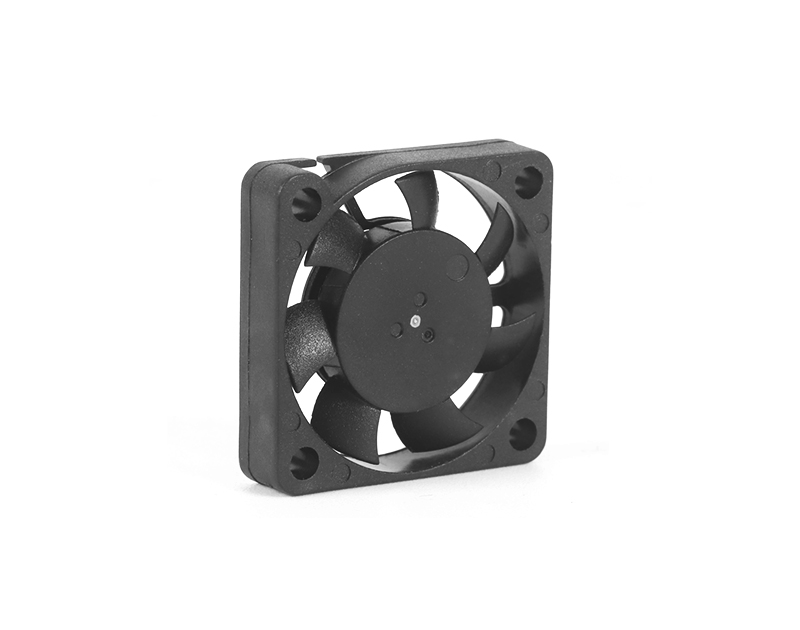
The fans used in Tower CPU Coolers are another key component that contributes to their performance and quiet operation. Most tower coolers come with one or two high-performance fans that are designed to provide strong airflow and high static pressure, which is essential for pushing air through the dense fin array of the heat sink. These fans often use hydraulic bearings or FDB (Fluid Dynamic Bearing) technology, which reduces friction and noise, ensuring quiet operation even at high speeds. Many models also feature PWM (Pulse Width Modulation) control, allowing the fan speed to adjust dynamically based on the CPU temperature. This means that the fan operates at a low speed (and low noise) when the CPU is under light load and increases speed only when necessary, balancing cooling performance and noise levels. Some high-end tower coolers also come with RGB lighting, allowing users to customize the appearance of their system.
Durability and build quality are also hallmarks of Tower CPU Coolers. These coolers are built to last, with high-quality materials such as aluminum fins, copper heat pipes, and sturdy plastic or metal fan frames. The heat sink fins are often reinforced to prevent bending or damage during installation, and the fans are designed to withstand long hours of operation. Many tower coolers come with a warranty of 5 years or more, reflecting the manufacturer’s confidence in their product. Additionally, the mounting systems of tower coolers are robust and adjustable, ensuring a secure fit on a wide range of CPU sockets, including Intel’s LGA 1700, LGA 2066, and AMD’s AM4, AM5, and TR4.
Tower CPU Coolers are ideal for a range of high-performance applications. For gamers who overclock their CPUs to achieve higher frame rates, a tower cooler is essential for keeping the CPU temperature in check and preventing thermal throttling. For content creators who work with video editing, 3D rendering, and other CPU-intensive tasks, a tower cooler ensures that the CPU remains stable even during long rendering sessions. For professionals who use workstations for scientific computing, engineering simulations, and other demanding applications, a reliable tower cooler is critical for maintaining productivity and preventing system crashes. They are also used in server environments, where CPUs operate at high loads for extended periods, although in some cases, liquid cooling may be preferred for extremely high heat loads.
When selecting a Tower CPU Cooler, several factors need to be considered, including cooling performance (measured by the maximum TDP (Thermal Design Power) it can handle), compatibility with the CPU socket and PC case (height is a key consideration, as tower coolers can be tall and may not fit in small form factor cases), noise level, number of fans, and build quality. It is also important to consider the ease of installation, as some tower coolers can be heavy and require careful mounting to avoid damaging the motherboard. By investing in a high-quality Tower CPU Cooler, users can unlock the full potential of their high-performance CPU, ensuring stable operation, long lifespan, and a quiet computing environment.
If you have any suggestions and comments on our products and services, please fill in the following table

No. 18, Liguang New Industrial Zone Liguang Community, Guanlan Sub-district Longhua District, Shenzhen
Copyright 2026 © Shenzhen Yuchuang Industry Co., Ltd. 粤ICP备16089648号




 Chinese
 CN
CN Home >