


 Mar 13, 2026
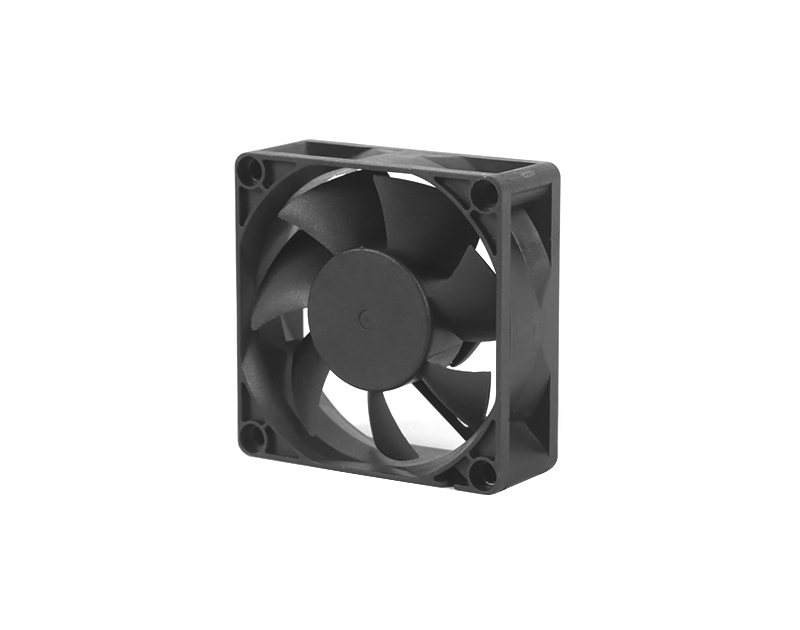
High temperature environment AC fans are specialized cooling components designed to operate reliably and efficiently in extreme heat conditions, which are commonly encountered in industrial processes, power generation, automotive engine bays, and aerospace applications. Unlike standard AC fans that may malfunction or degrade rapidly when exposed to temperatures exceeding 60°C, high temperature AC fans are engineered with robust materials and advanced thermal management technologies to withstand continuous operation in environments ranging from 80°C to 200°C, depending on the specific model and application requirements.
One of the key characteristics of high temperature environment AC fans is the use of heat-resistant materials in their construction. The fan blades, for instance, are typically made from aluminum alloy, stainless steel, or high-performance engineering plastics such as PPS (Polyphenylene Sulfide) or LCP (Liquid Crystal Polymer). These materials possess excellent thermal stability, low thermal expansion coefficients, and high mechanical strength, ensuring that the blades maintain their shape and structural integrity even under prolonged exposure to high temperatures. The motor windings, another critical component, are insulated with class H or class C insulation materials, which can withstand temperatures up to 180°C and 220°C respectively. This insulation prevents short circuits and motor burnout caused by thermal degradation, thereby enhancing the fan's reliability and service life.
In addition to material selection, the design of high temperature AC fans also incorporates specialized cooling mechanisms to prevent self-overheating. Many models feature a fully enclosed motor housing with heat-dissipating fins that increase the surface area for heat transfer, allowing the motor to dissipate excess heat efficiently into the surrounding environment. Some advanced designs also integrate a separate cooling circuit or use the airflow generated by the fan itself to cool the motor, ensuring that the internal temperature of the motor remains within safe operating limits. Furthermore, the bearing system of high temperature AC fans is often equipped with high-temperature lubricants, such as synthetic grease or oil, which maintain their lubricating properties even at elevated temperatures, reducing friction and wear between moving parts.
The performance of high temperature environment AC fans is not only determined by their ability to withstand high temperatures but also by their cooling efficiency. These fans are designed to deliver high airflow rates and static pressures to effectively remove heat from heat-generating equipment or enclosures. The airflow rate, measured in cubic feet per minute (CFM) or cubic meters per hour (m³/h), and static pressure, measured in inches of water (inH₂O) or pascals (Pa), are key performance parameters that vary depending on the fan's size, blade design, and speed. For example, a large industrial high temperature AC fan may deliver an airflow rate of over 10,000 CFM, while a smaller fan used in automotive applications may deliver around 500 CFM. The blade design also plays a crucial role in cooling efficiency; backward-curved or forward-curved blades are commonly used to optimize airflow and static pressure for specific high-temperature cooling requirements.
When selecting a high temperature environment AC fan, several factors need to be considered to ensure optimal performance and reliability. First, the maximum operating temperature of the fan must match or exceed the temperature of the target environment. It is also important to consider the airflow and static pressure requirements of the application, as insufficient airflow may lead to inadequate cooling, while excessive static pressure may cause the fan to operate at a lower efficiency. Additionally, the fan's power consumption, noise level, and service life are important practical considerations. High temperature AC fans with energy-efficient motors can help reduce operating costs, while low-noise designs are essential for applications where noise pollution is a concern. Finally, compliance with industry standards and certifications, such as IP (Ingress Protection) ratings for dust and water resistance, is crucial for ensuring the fan's suitability for harsh high-temperature environments.
Applications of high temperature environment AC fans are diverse and span across multiple industries. In power plants, these fans are used to cool steam turbines, generators, and exhaust systems, where temperatures can exceed 150°C. In the automotive industry, they are installed in engine bays to cool the engine, transmission, and other heat-generating components, especially in high-performance vehicles or commercial trucks that operate under heavy loads. In industrial manufacturing, high temperature AC fans are used in furnaces, ovens, and drying equipment to maintain consistent temperatures and remove hot air. They are also used in aerospace applications, such as aircraft engine cooling systems, where they must withstand extreme temperatures and vibration. With the continuous development of industrialization and the increasing demand for high-temperature processing, the market for high temperature environment AC fans is expected to grow, driving further innovations in materials and design to meet the evolving needs of various industries.
If you have any suggestions and comments on our products and services, please fill in the following table

No. 18, Liguang New Industrial Zone Liguang Community, Guanlan Sub-district Longhua District, Shenzhen
Copyright 2026 © Shenzhen Yuchuang Industry Co., Ltd. 粤ICP备16089648号




 Chinese
 CN
CN Home >