


 Mar 24, 2026
In the ever-evolving world of computing, from gaming PCs and workstations to servers and industrial embedded systems, the CPU (Central Processing Unit) remains the heart of the system. As CPU performance continues to increase, so does the heat they generate, making effective thermal management a critical factor in ensuring system stability, performance, and longevity. The Multi-Platform CPU Cooler has emerged as a versatile and efficient cooling solution, designed to compatibility with a wide range of CPU sockets and form factors, making it an ideal choice for PC builders, system integrators, and IT professionals who need a reliable cooling solution that can adapt to different hardware configurations.
One of the key defining features of a Multi-Platform CPU Cooler is its broad compatibility. Unlike dedicated CPU coolers that are designed for specific socket types (such as Intel’s LGA 1700 or AMD’s AM5), multi-platform coolers come with a comprehensive mounting kit that supports a wide range of socket types, including both current and previous-generation models. This includes Intel sockets like LGA 1200, LGA 1700, LGA 2066, and AMD sockets like AM4, AM5, FM2+, and TR4. This broad compatibility eliminates the need for users to purchase separate coolers for different CPU platforms, saving time, money, and effort. Whether building a new gaming PC with the latest AMD Ryzen processor, upgrading an older Intel workstation, or configuring a server with a high-performance Xeon CPU, a Multi-Platform CPU Cooler can provide a seamless cooling solution.
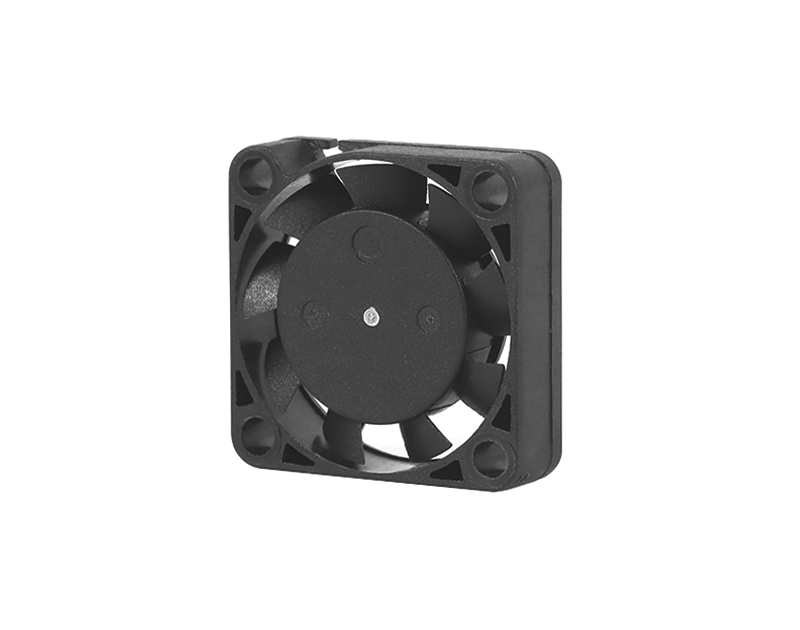
Beyond compatibility, Multi-Platform CPU Coolers are engineered to deliver exceptional cooling performance. Most models feature a combination of high-quality heat sinks, heat pipes, and fans that work together to efficiently dissipate heat from the CPU. The heat sink is typically made of aluminum or copper, which are excellent thermal conductors. Copper heat sinks offer superior thermal conductivity but are heavier and more expensive, while aluminum heat sinks are lighter and more cost-effective. Many multi-platform coolers use a hybrid design, with a copper base plate that makes direct contact with the CPU and aluminum fins for heat dissipation. Heat pipes (usually 4-6 in number) are embedded in the heat sink, transferring heat from the base plate to the fins through capillary action. The fans attached to the heat sink are typically high-pressure, low-noise fans that provide strong airflow to blow heat away from the fins.
Noise level is another important consideration for CPU coolers, especially for users who value a quiet computing environment, such as content creators, office workers, and gamers who prefer immersive audio without fan noise. Multi-Platform CPU Coolers are designed with noise reduction in mind, featuring fans with hydraulic bearings or FDB (Fluid Dynamic Bearing) technology, which reduces friction and noise. Many models also come with PWM (Pulse Width Modulation) control, allowing the fan speed to adjust based on the CPU temperature. This means that the fan operates at a low, quiet speed when the CPU is under light load (such as web browsing or document editing) and increases speed only when the CPU is under heavy load (such as gaming or video rendering), balancing cooling performance and noise levels.
Ease of installation is another key advantage of Multi-Platform CPU Coolers. The mounting kits included with these coolers are designed to be user-friendly, with clear instructions and tool-less installation mechanisms in many cases. This makes it easy for even novice PC builders to install the cooler without the need for specialized tools or technical expertise. The mounting brackets are adjustable, allowing them to fit different socket types and CPU sizes, and the fan can be easily attached or detached for maintenance or cable management. Additionally, the compact design of many multi-platform coolers ensures that they fit in a wide range of PC cases, including small form factor (SFF) cases, which are popular for compact gaming PCs and home theater systems.
Multi-Platform CPU Coolers are suitable for a wide range of applications, from casual gaming and home computing to professional workstations and servers. For gamers, a high-performance multi-platform cooler can help keep the CPU temperature low during intense gaming sessions, ensuring stable frame rates and preventing thermal throttling. For content creators who work with video editing, 3D rendering, and other CPU-intensive tasks, a reliable cooler is essential for maintaining productivity and preventing system crashes. For server environments, where CPUs operate at high loads for extended periods, multi-platform coolers provide efficient and reliable cooling, ensuring server uptime and performance. They are also used in industrial embedded systems, where space is limited and reliability is critical.
When selecting a Multi-Platform CPU Cooler, several factors need to be considered, including cooling performance (measured in thermal resistance and airflow), compatibility with the target CPU socket and PC case, noise level, installation ease, and price. It is also important to choose a cooler from a reputable manufacturer that offers a warranty and reliable technical support. By investing in a high-quality Multi-Platform CPU Cooler, users can ensure that their CPU remains cool and stable, regardless of the platform or application, while enjoying the flexibility and convenience of a single cooling solution for multiple systems.
If you have any suggestions and comments on our products and services, please fill in the following table

No. 18, Liguang New Industrial Zone Liguang Community, Guanlan Sub-district Longhua District, Shenzhen
Copyright 2026 © Shenzhen Yuchuang Industry Co., Ltd. 粤ICP备16089648号




 Chinese
 CN
CN Home >